Arts-based Research Methods Showcase
About the Showcase
Arts-based methods provide new insights into research through contextually situated imagery or artistic approaches. Creative methodologies offer innovative meanings to research which can elevate the insider’s perspective when conducting Community Engaged Research (CER).
The Community Engaged Research – Community of Practice (CER-CoP) has put together this online exhibition to showcase the work of researchers who use creative or arts-based methods for CER. Our aim is to provide a platform for arts-based method researchers who use their approach in CER for social change.
This exhibition is a work-in-progress, and we welcome interest from those who would like to share their CER arts-based method projects on this website. If you would like to express your interest in sharing your work, please send an email to cercop.unimelb@gmail.com.
Meg Lee
‘the little things’: Everyday well-being with young people from migrant backgrounds in rural Victoria
From June 2022- February 2023, I worked with 17 young people to co-create a photovoice project on everyday wellbeing, or health and happiness. The young people I worked with came from recent migrant backgrounds and were living in rural Victoria, on Wadawurrung and Dja Dja Wurrung Country and on Wotjobaluk, Jaadwa, Jadawadjali, Wergaia, and Jupagulk Country (hereafter ‘Wotjobaluk’). Aged 15-25 and from a range of backgrounds including South Sudanese, Karen, Nepalese and Chinese backgrounds, young people in the study shared photographs (new and old) that conveyed their knowledge and experience of what supported their wellbeing. Their work shares moments of being well in different ways, including through stillness and reflection, joy and spontaneity, connection, and hope. Ultimately, their work shares how ‘the little things’ in life were central to their ability to build meaning from their existence in the world, underpinning possibilities for being well over time and place.
This research is supported by the Australian Research Training Program.
Click on each image to read the caption
-
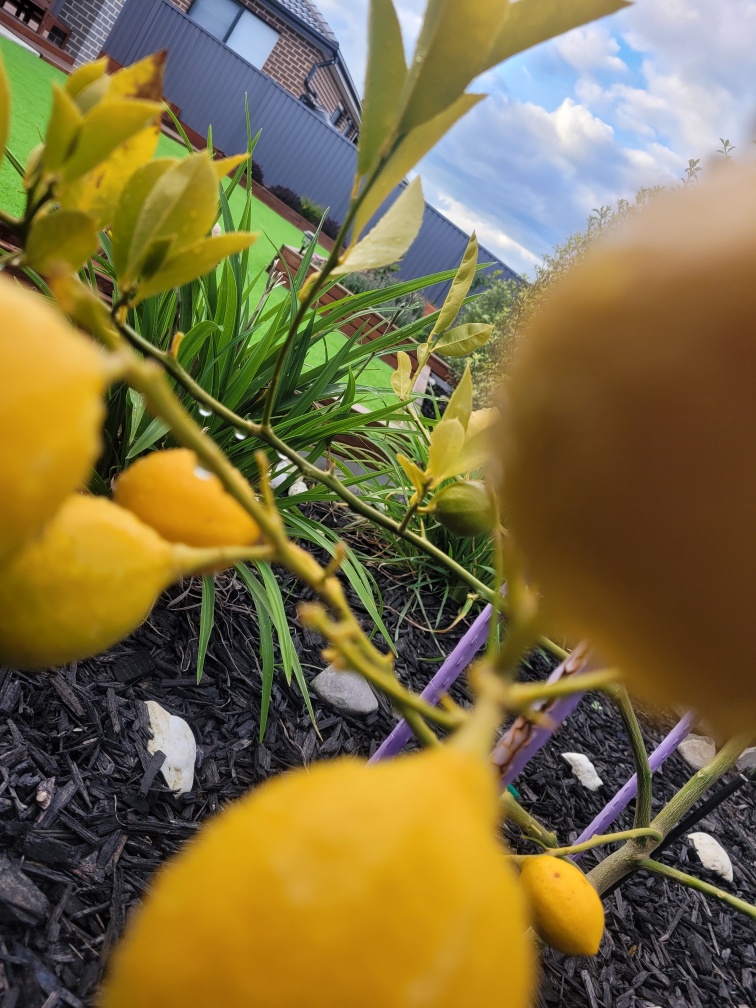
At the end of a busy year, I took a walk in my garden and to my surprise the lemon tree my family planted a year ago has some lemons on it! I was very occupied for most of the year with school and work, even in my free time I didn’t use that to appreciate the smaller things in life, so I ended up forgetting a lot of things I was looking forward too. Seeing the lemons, reminded me of the summer break when my family planted it, when everyone was less stressed and excited to see it grow. -Hannah, Wadawurrung and Dja Dja Wurrung Country -
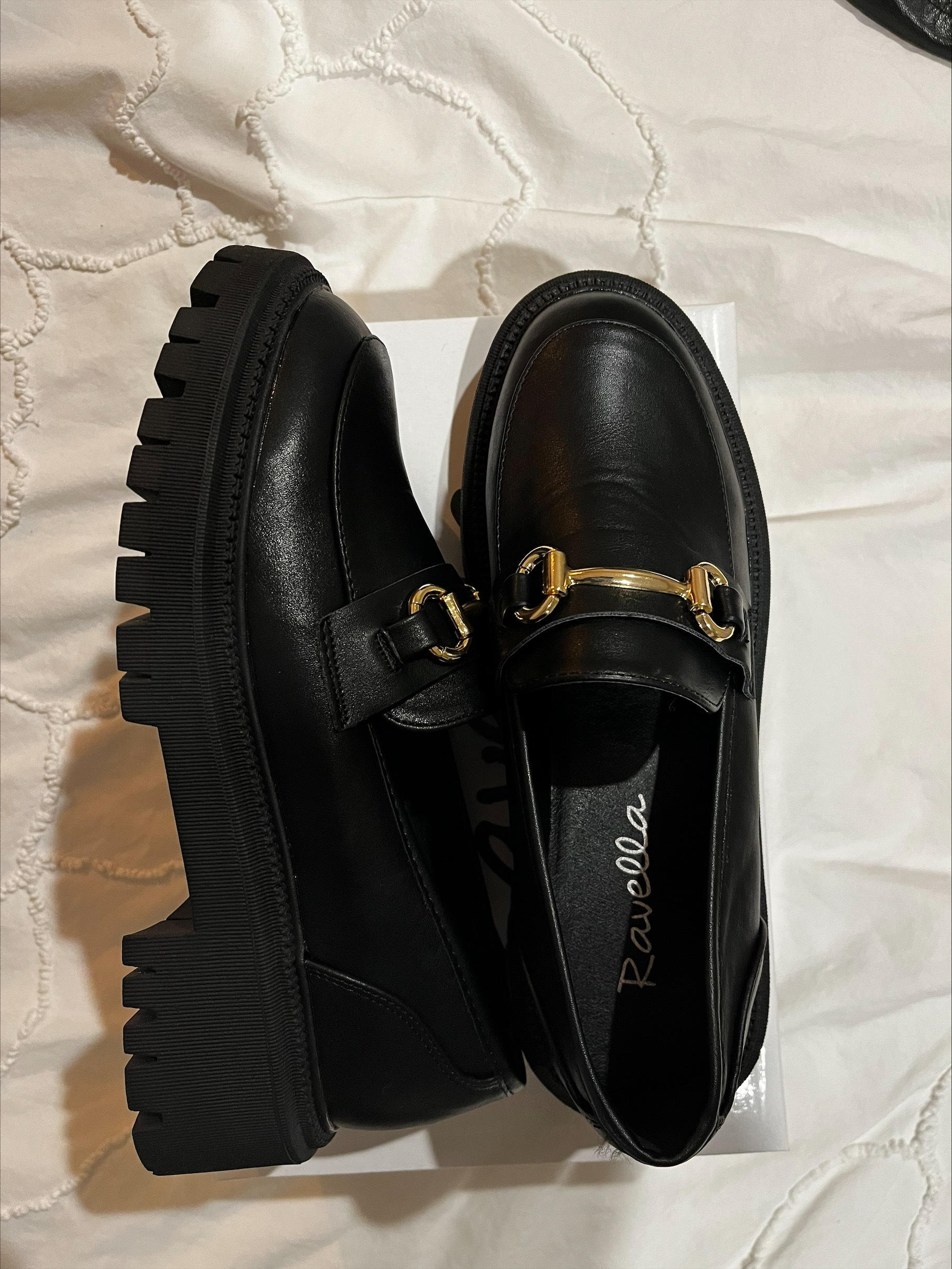
I really enjoy fashion and being able to add items to my wardrobe makes me happy. I am lucky to have an income which lets me think about doing this. Waiting and buying things when I have the money makes me feel good about exercising my self-control and proving to myself that I can look after my money and be responsible. Having financial stability in life is a big part of my well-being. A lack of stability would create internal chaos for me. -Nyapal, Wadawurrung and Dja Dja Wurrung Country -
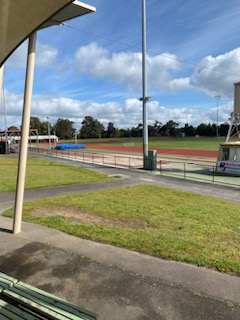
Training and competing for athletics is my escape from fears, anxieties and stresses. Athletics is my space and peace, and even though I'm surrounded it does not feel invaded. Running gives me the ability to feel in control, confident, non-hesitant and non-intimidated. -Nyalauk, Wadawurrung and Dja Dja Wurrung Country -
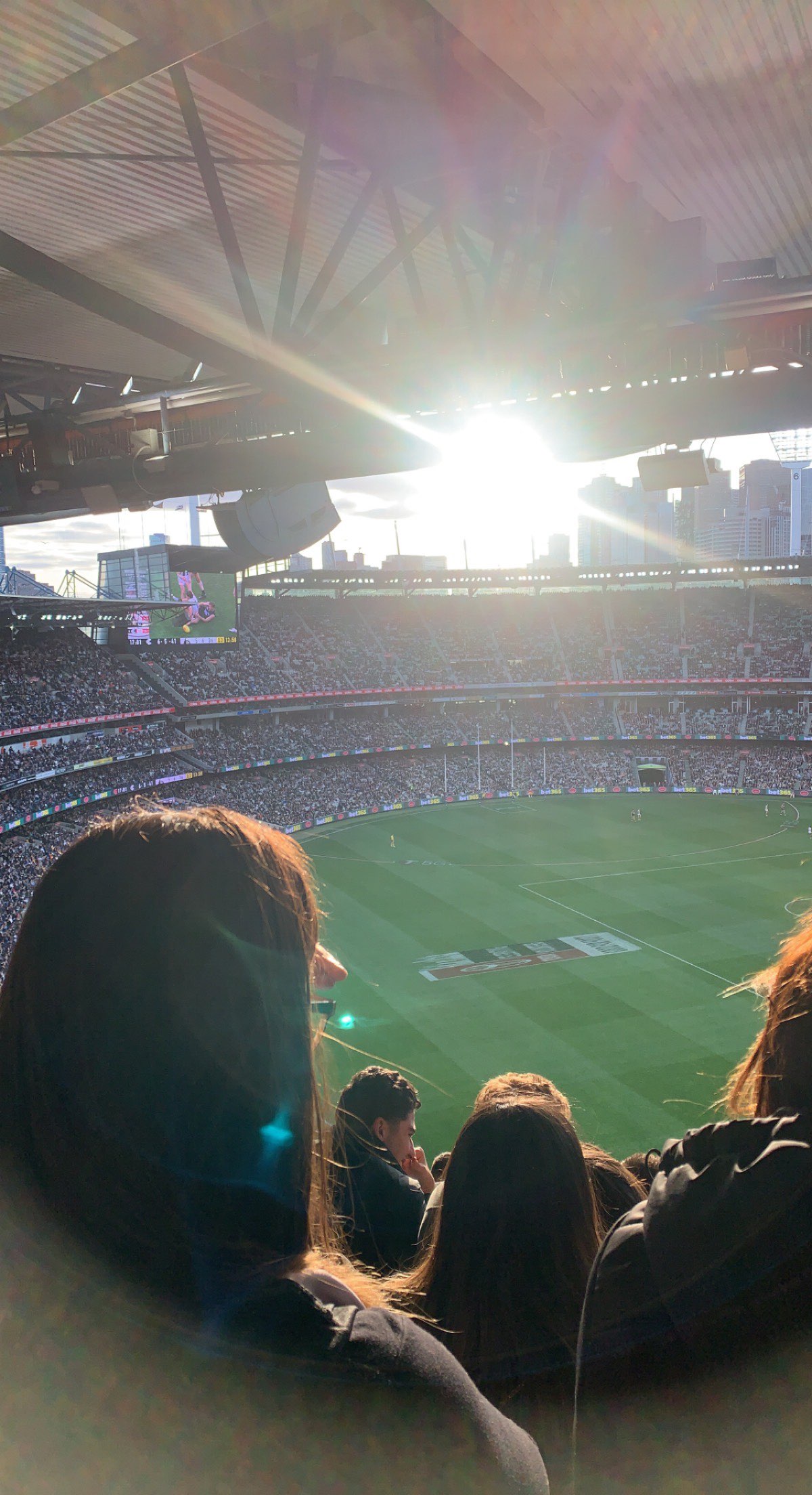
My image to me doesn’t just mean going to watch a football game. It also means going to the game with friends and spending the day with them going to Melbourne and just having a laugh with them. This helps my wellbeing because my friends make me feel comfortable and happy. -Deng, Wadawurrung and Dja Dja Wurrung Country -
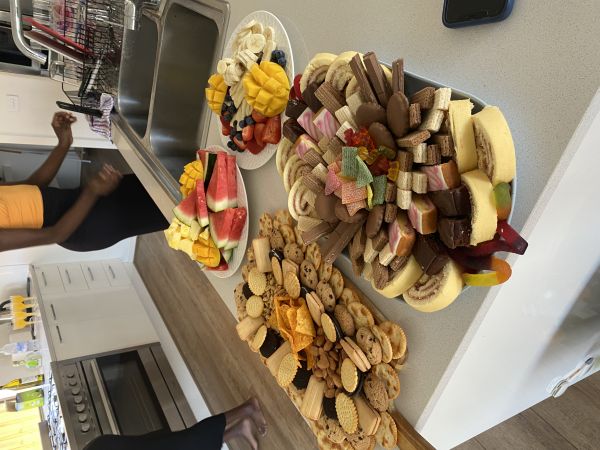
This is a photo of 3 different food platters that my group of friends and I made our new year trip. We took the picture since we were pleased with how beautiful and creative our platter was. I get a sense of comfort, enjoyment, and quality time away from work from this picture. This photo means a lot to me because it was good to conclude the year on a cheerful and refreshing getaway, spending quality time with my closest friends after a long year full of stress, hard work, and repetitive days. -Atong, Wadawurrung and Dja Dja Wurrung Country -
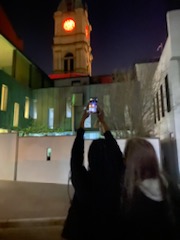
Probably the biggest way I find freedom is being with friends, because then I just forget about whatever’s happening in life that’s stressful and annoying. My photos are about just taking those moments and running with them because it’s not like you’re always with friends or people that make you forget about things like that. You don't always get those moments so you just take them, and take some photos. -Nyanhial, Wadawurrung and Dja Dja Wurrung Country -
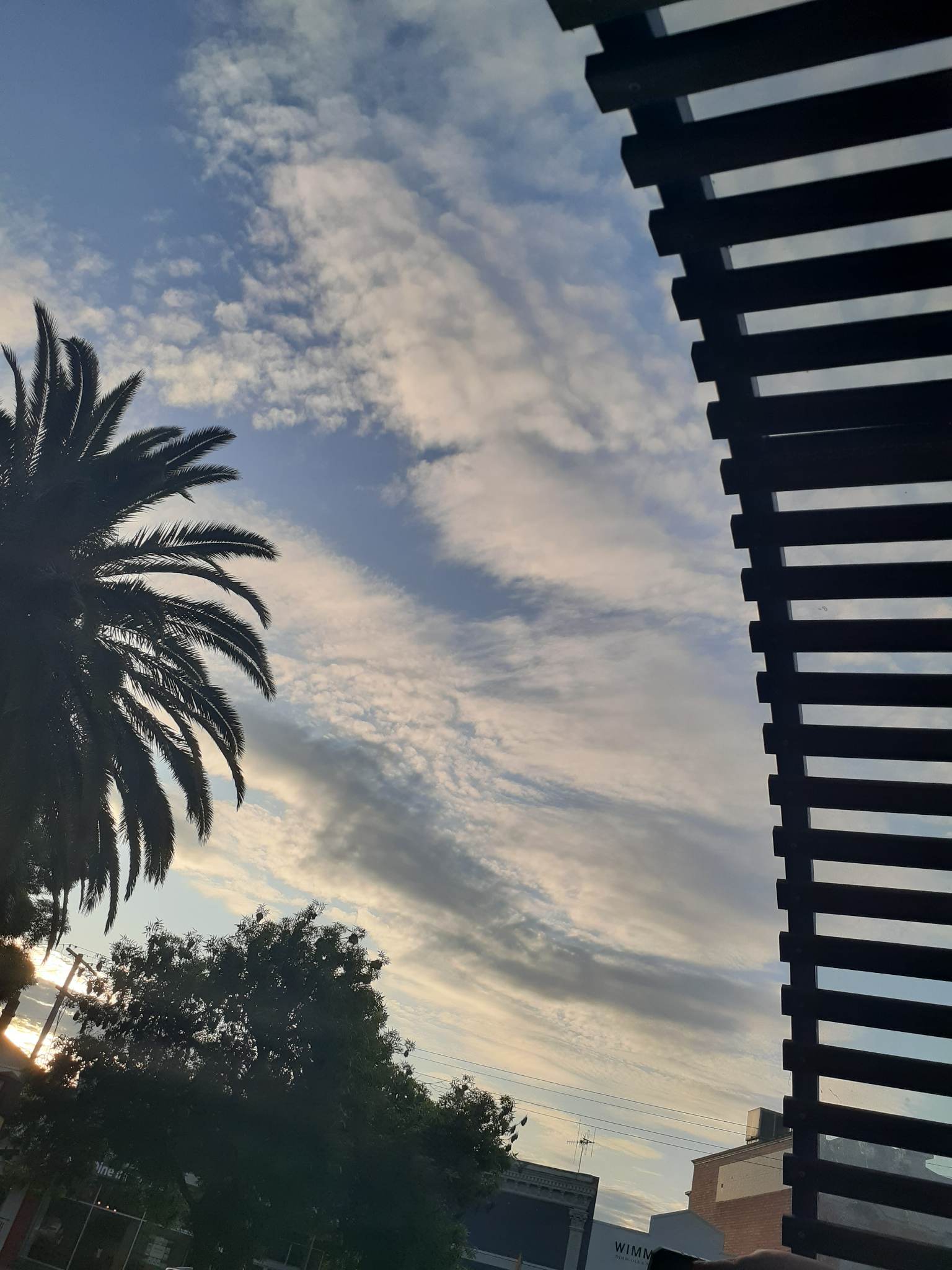
A cloudy pre-sunset sky framed by trees and a shade cover of wooden slats arranged in a curve. -
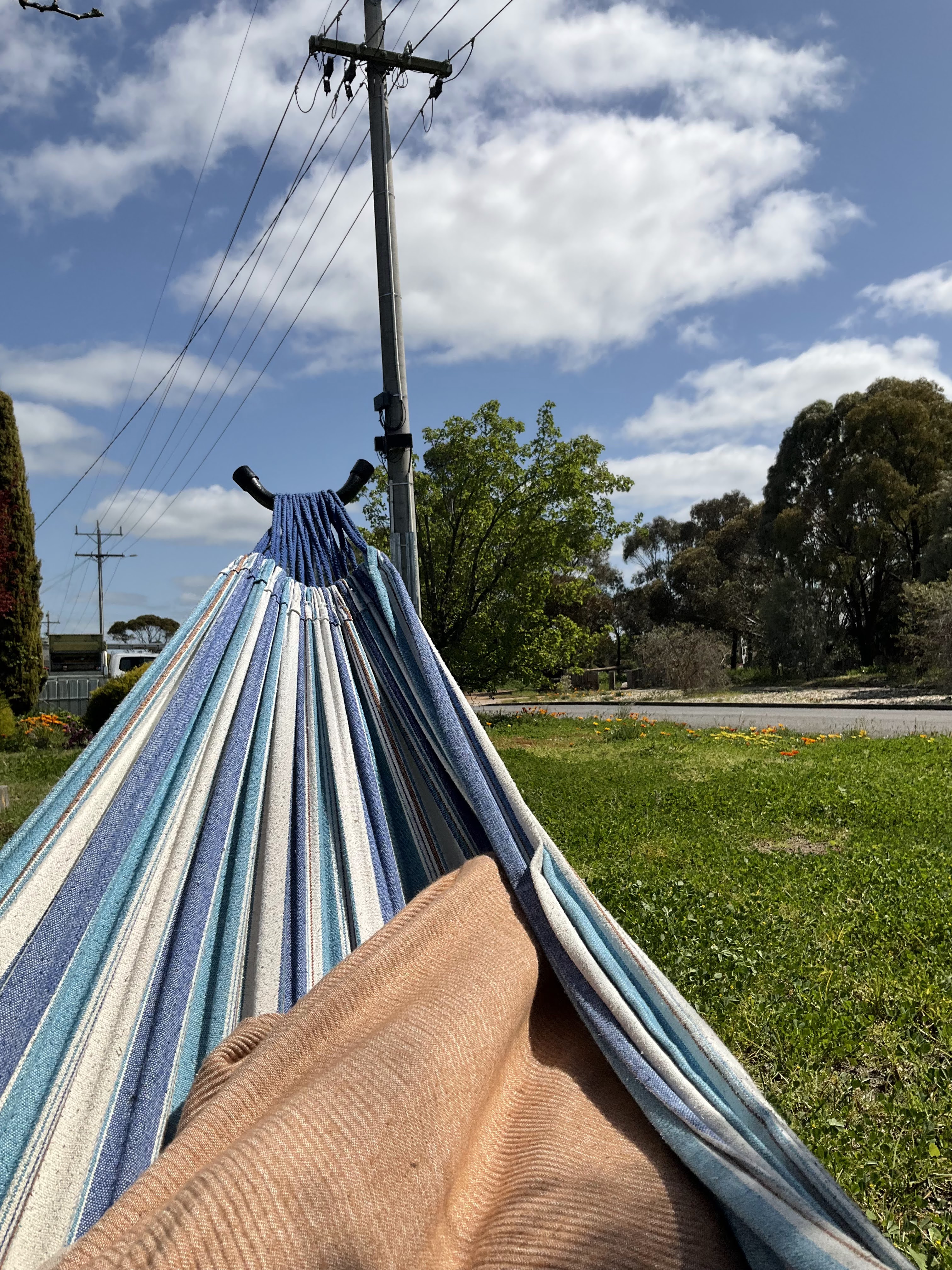
This photo was taken during the first week of spring. Wanting to enjoy the sunny sky and warm atmosphere I decided to hang out in my front yard. I took my hammock outside and brought my laptop to read a novel under the tree. It was nice to just relax and chill. My bunnies [pet rabbits] were also there playing in the yard and it felt like I was in a fairytale. -Kuku Taw , Wotjobaluk Country -

In December last year, our group went on a trip to Mt Arapiles. It was the first time some of us had been there. We took this photo at the top of the mountain, to show how we were all there together. It was fun to hang out and get some fresh air as a group. We all agree we would like to do more trips in the future. Wotjobaluk Country group -
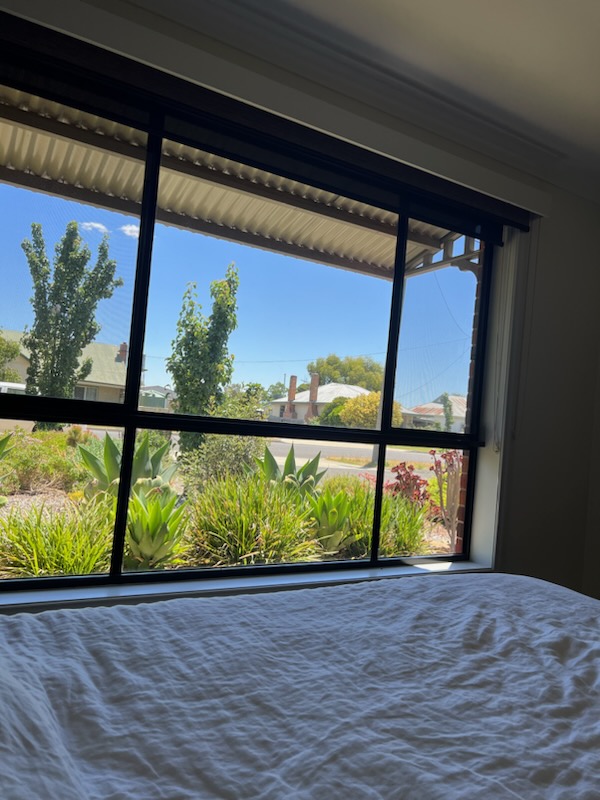
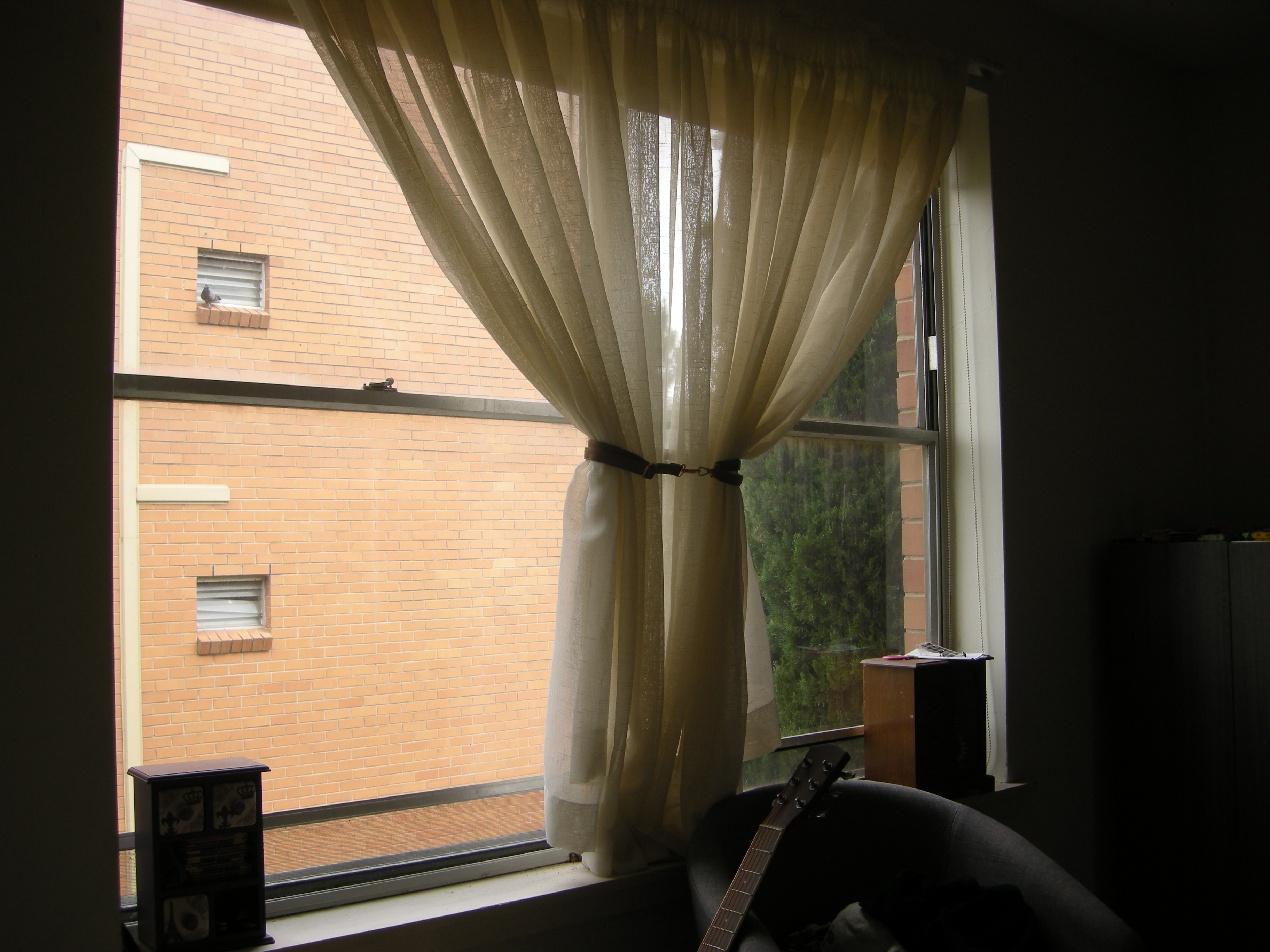
This is a photo of what I can see outside my bedroom window. I took this photo to remind myself to slow down and take a break from this busy world. The blue sky, the green plants and the view of my bed remind me that there is still tomorrow if I don’t get things done today. This is important because it reminds me to take a break and recharge for the new day ahead. -Moo Tin, Wotjobaluk Country -
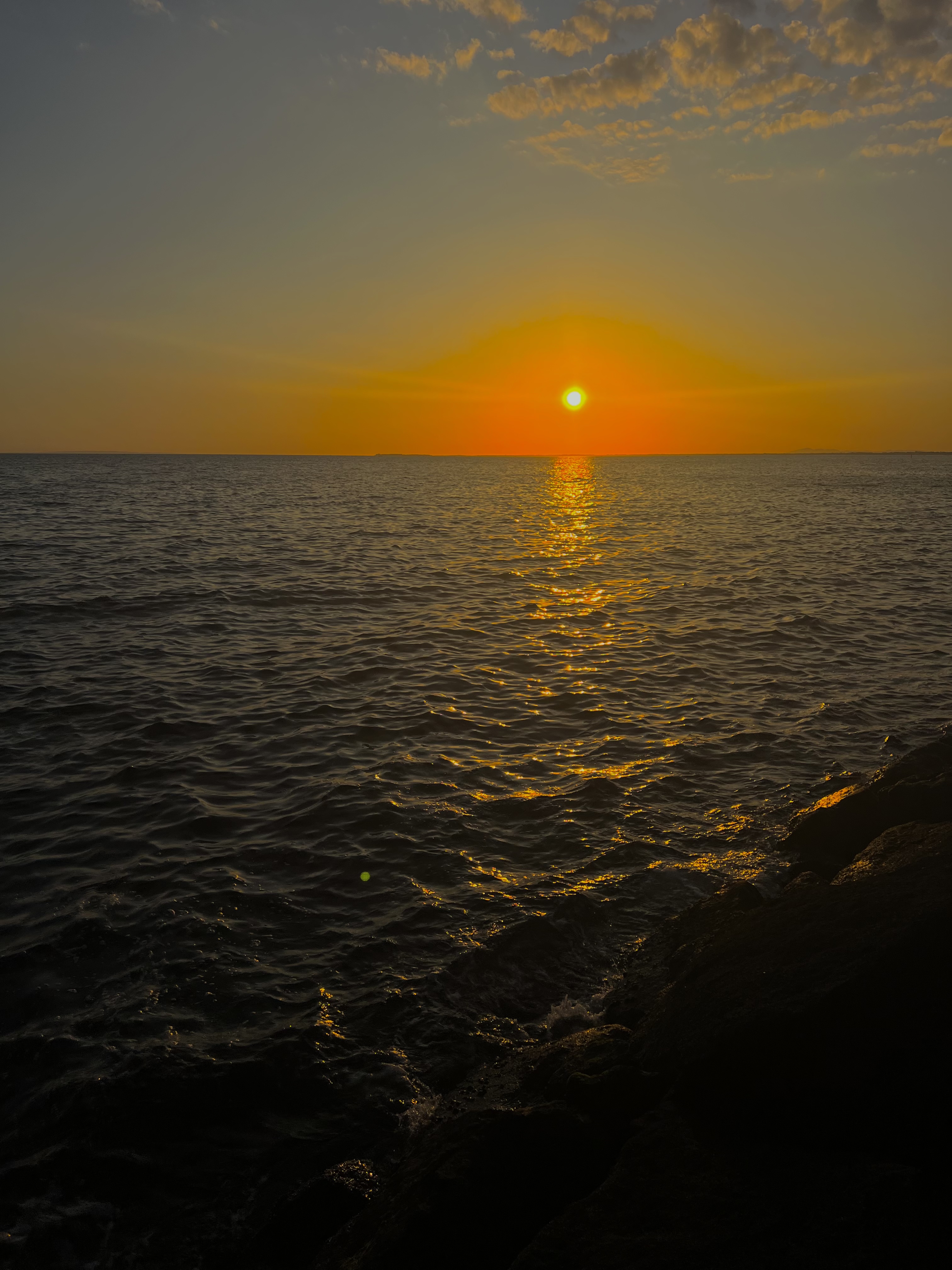
After a long day me and my older sister drove down to the beach and watched the sunset. It was very relaxing. -Eh Taw, Wotjobaluk Country -
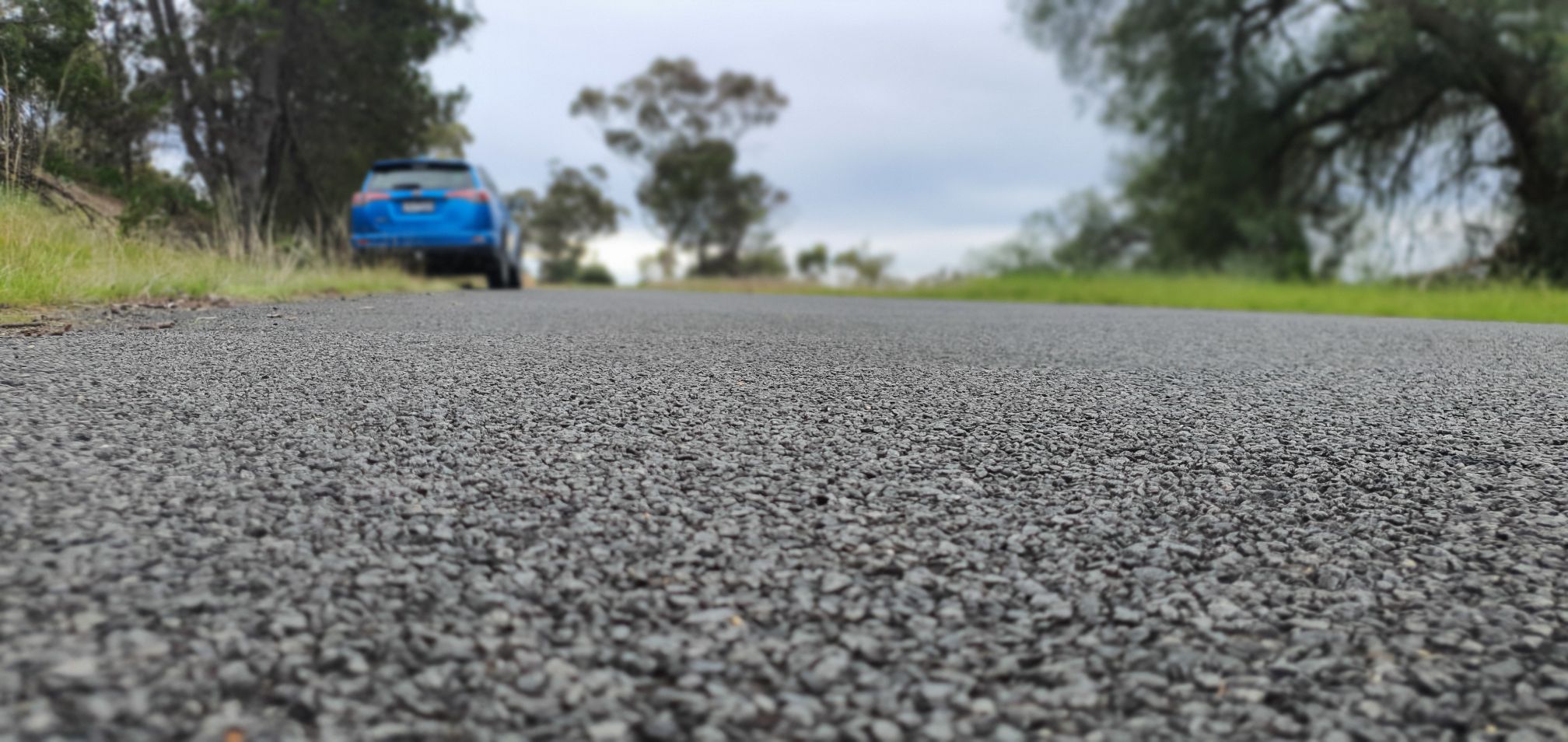
Travelling helps me forget my worry and calm my mind. It allows me to be more active when I get back home. -Smiley, Wotjobaluk Country

Mireille Kayeye
Encountering women seeking asylum in Australia
This work centers the lived experiences of women seeking asylum in Melbourne, Australia. An issue in refugee research has been the lumping of refugees, migrants and asylum seekers experience together. This exhibition is an effort to bring visibility to women’s individual narratives and challenge prevailing representations. This project seeks to create an intimate visual experience, where women narrate their own stories through photographs rather than being mediated by institutions or media. The choice to use photovoice aimed to create a space where their experiences are shared on their own terms, moving beyond narratives shaped by organizations, media or politicians. Too often, refugees and asylum seekers are grouped together, overlooking the unique experiences of women seeking asylum who are still awaiting visa decisions. This exhibition seeks to bring the personal realities of asylum-seeking women to life, capturing moments that remind us of their resilience and humanity. Images can be powerful—evoking memories, challenging perceptions, and prompting us to bear witness. May these photographs serve as a testament to the lives of countless women seeking safety in Australia. Their stories matter, whether they are granted asylum or continue to wait.
This PhD photovoice project is funded by Melbourne Social Equity Institute, the Asylum Seeker Resource Centre and Urban Artistry.
Click on each image to read the caption
-
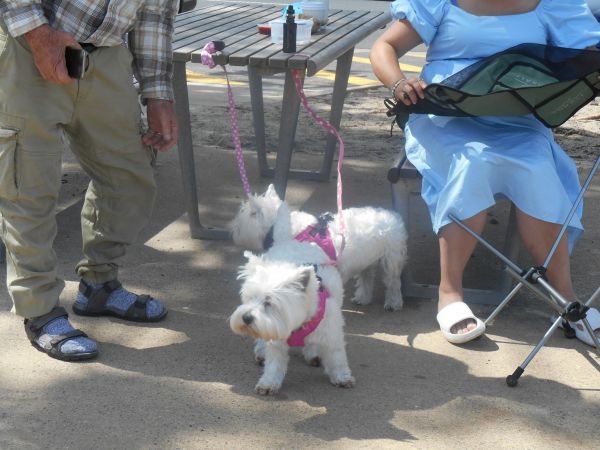
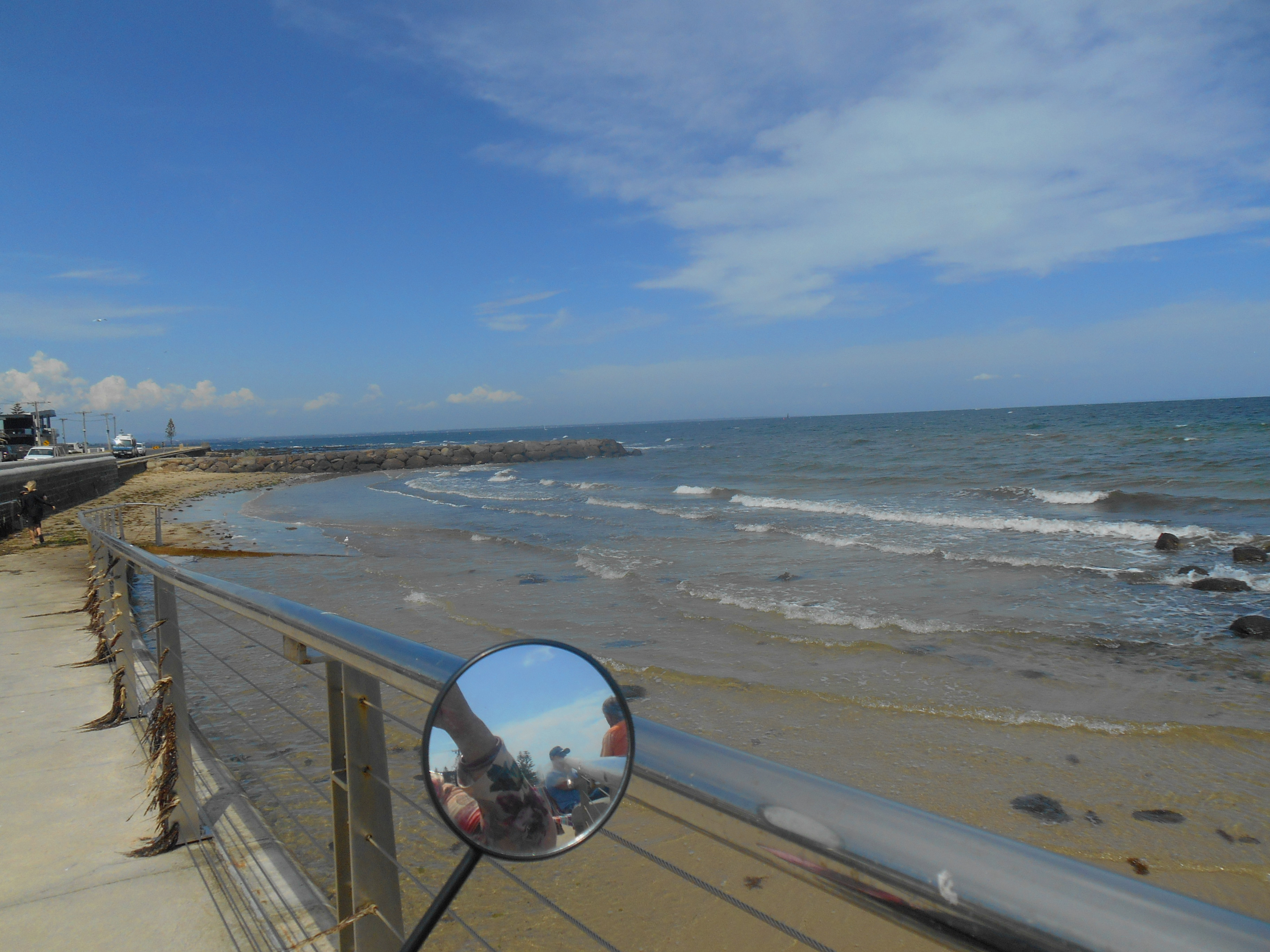
I love being out in nature. When I am there I don't think about my visa -
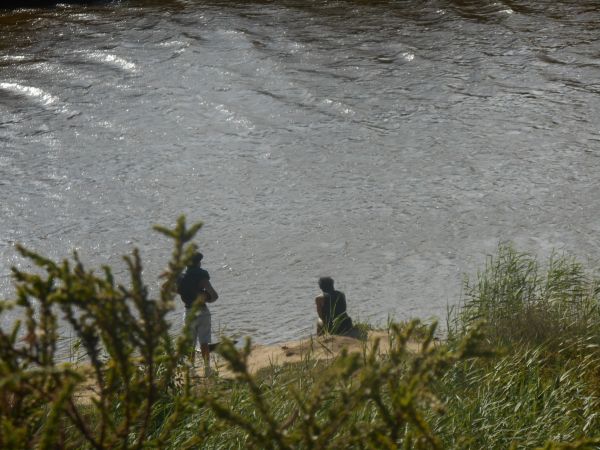
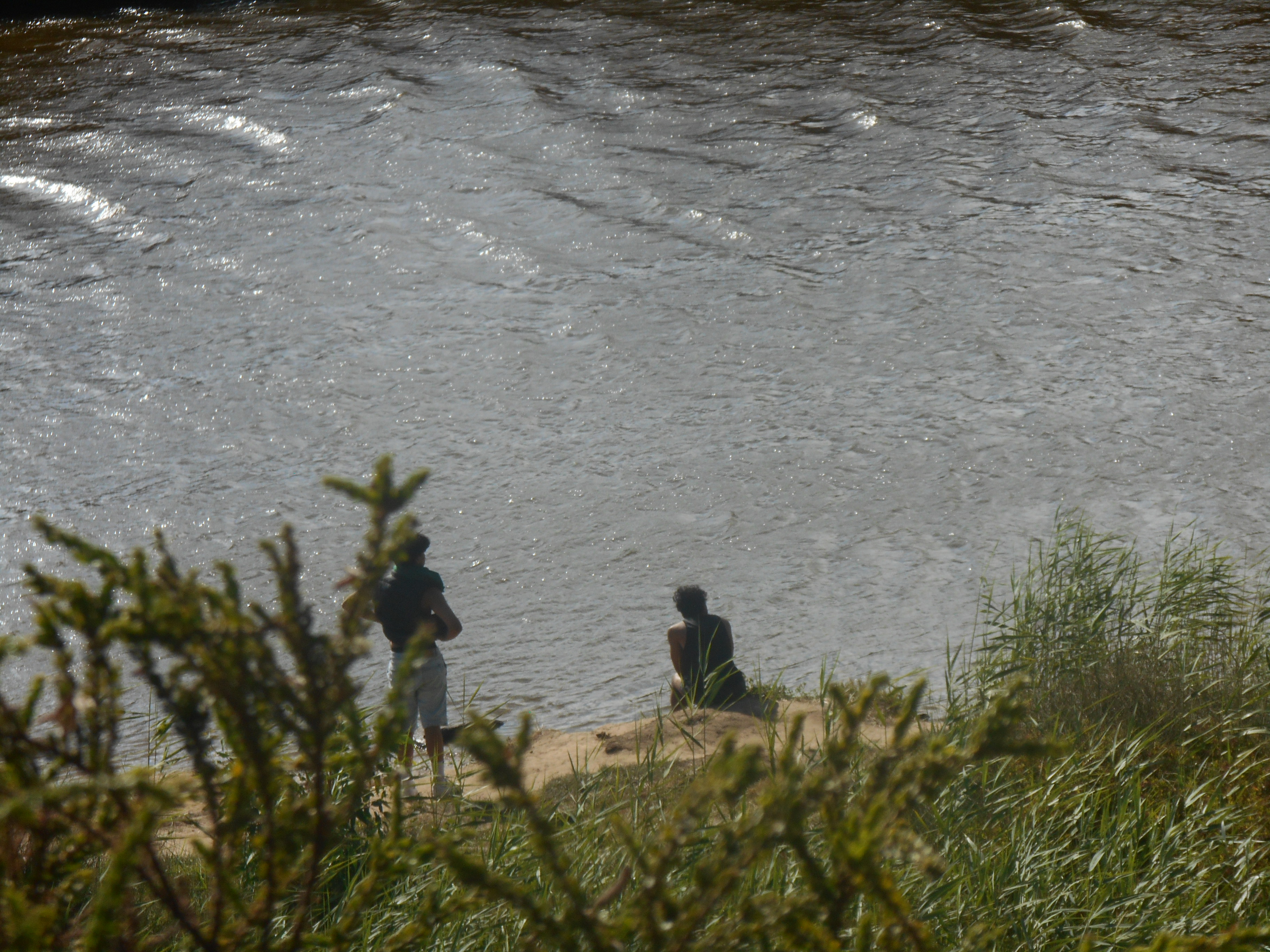
Those two are my son and my nephew...I didn’t tell them when I snapped the photo. My son can't have a placement due to my visa…it hurts -
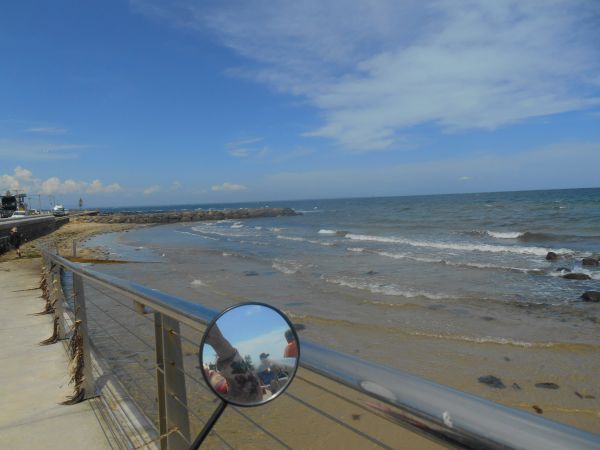
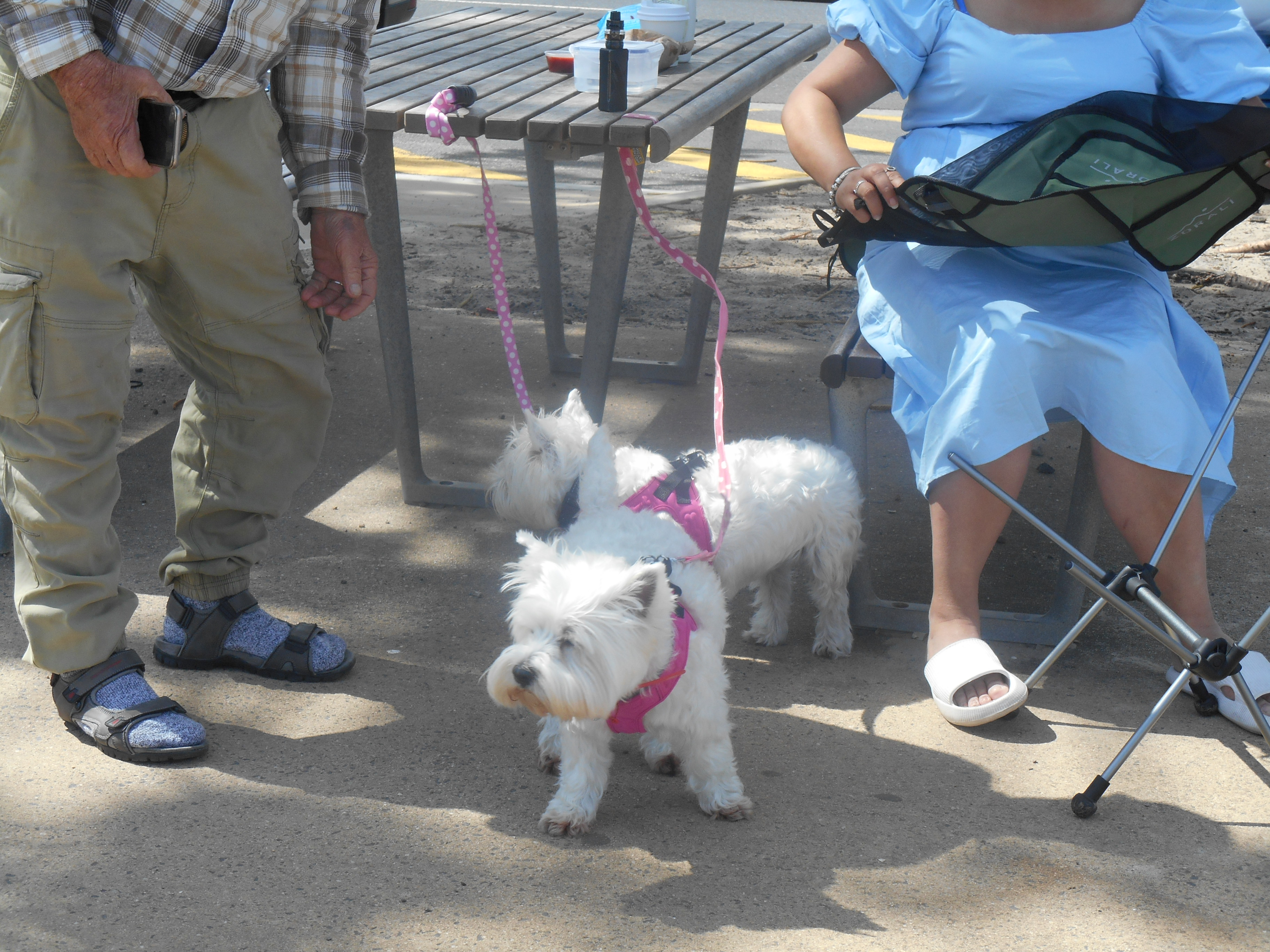
I live with a disability and use my scooter to go everywhere. This does not stop me from enjoying the outdoors. My favorite places to go are the beach and parks. That day at the beach I saw so many cute dogs, so I asked if I could take a photo. -
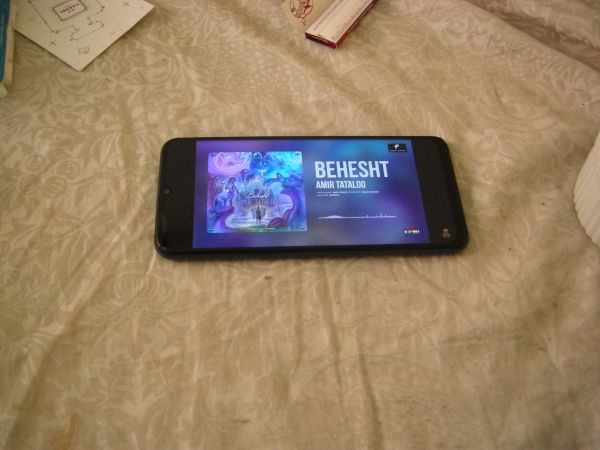
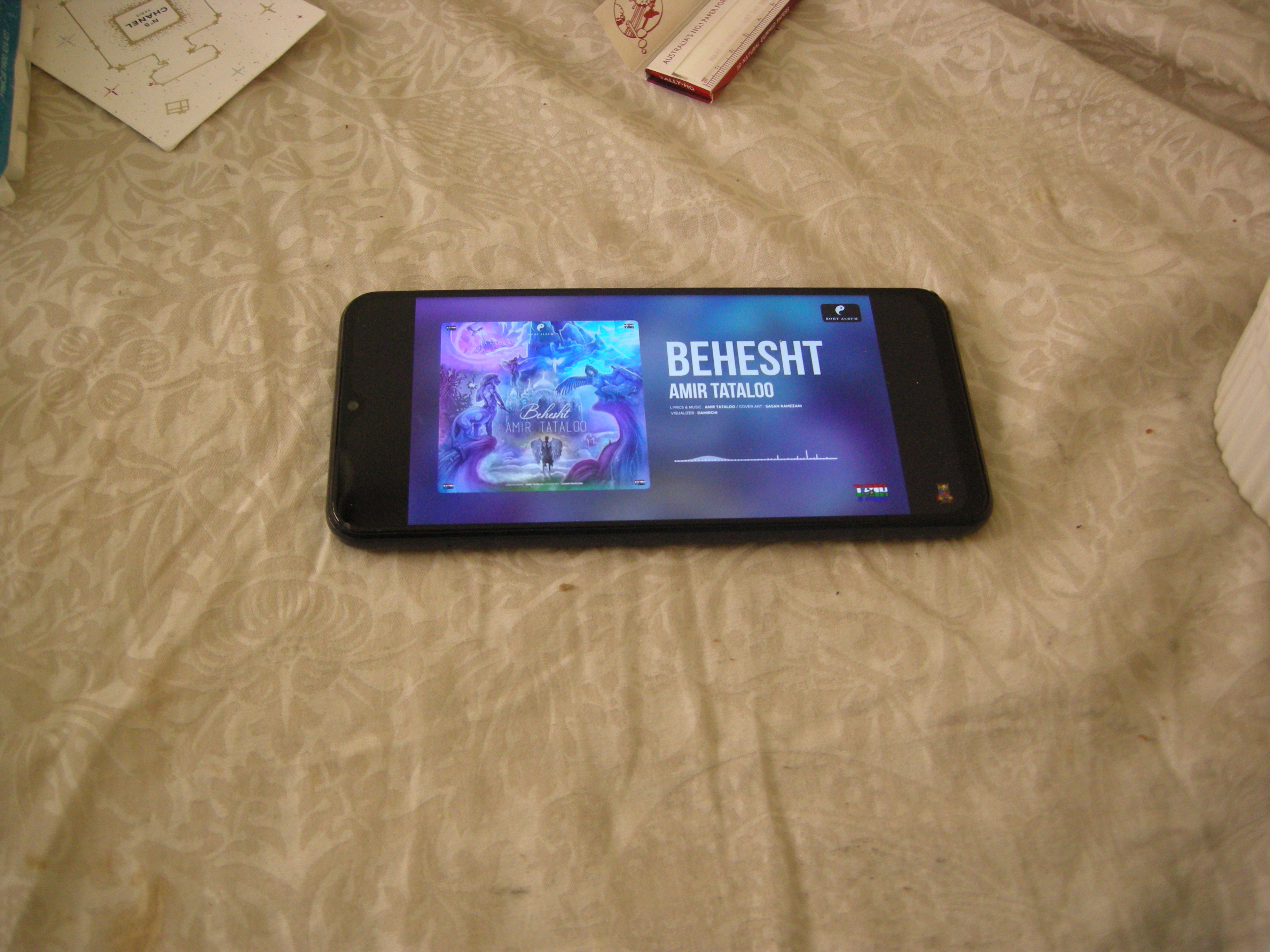
Music I love from home -
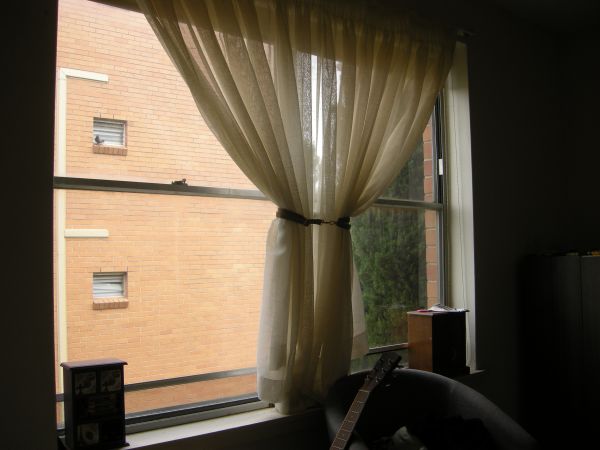
Looking outside of the window and waiting. It can be lonely here. -
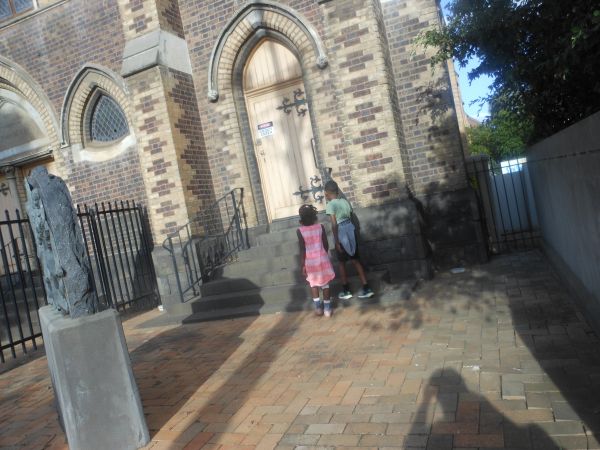
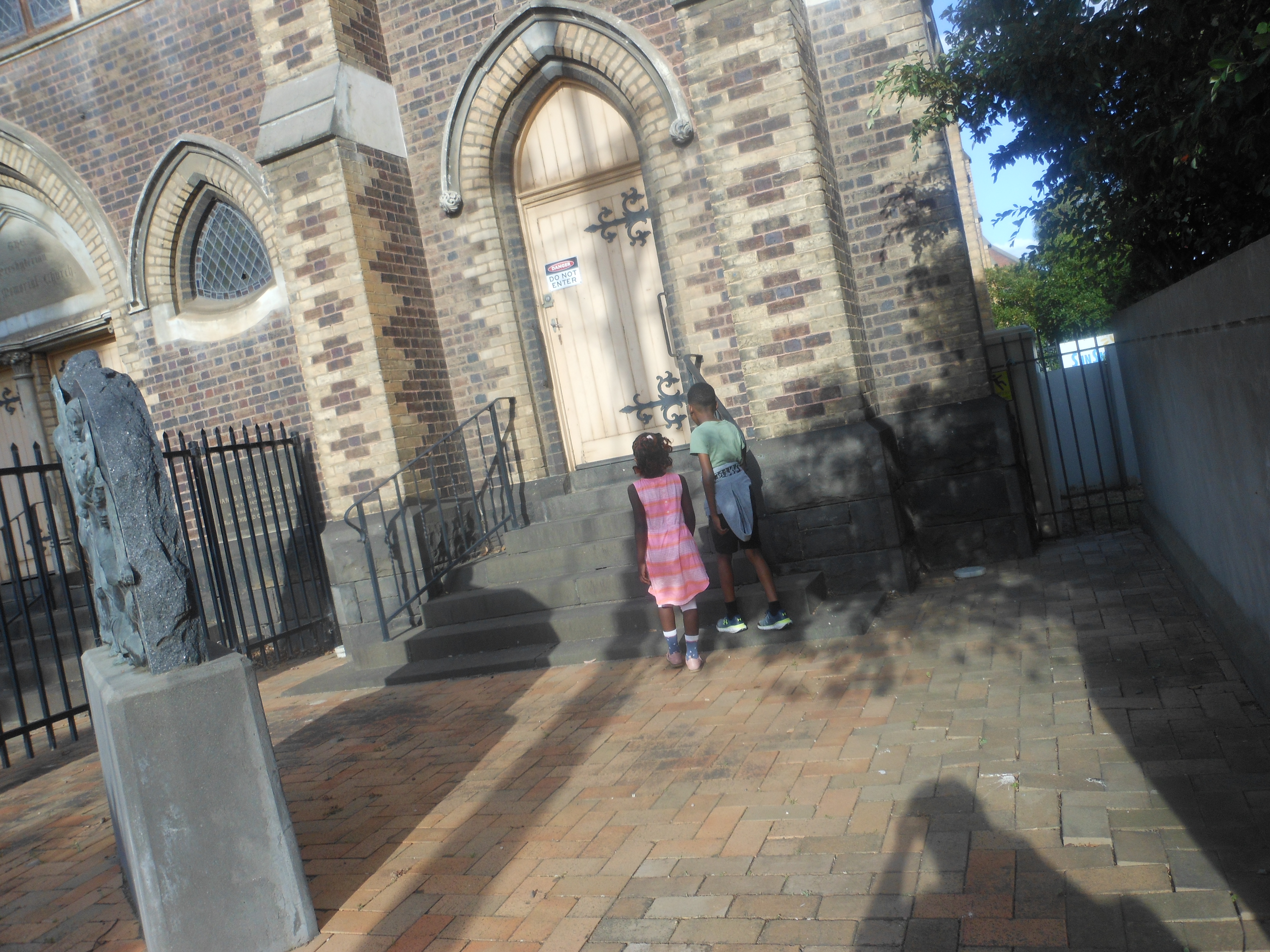
I grew up in church, it is an important place for me. it's one of the places I feel comfortable when I'm going through difficulties. I feel good about the worship, the songs, the praying, all of it. -
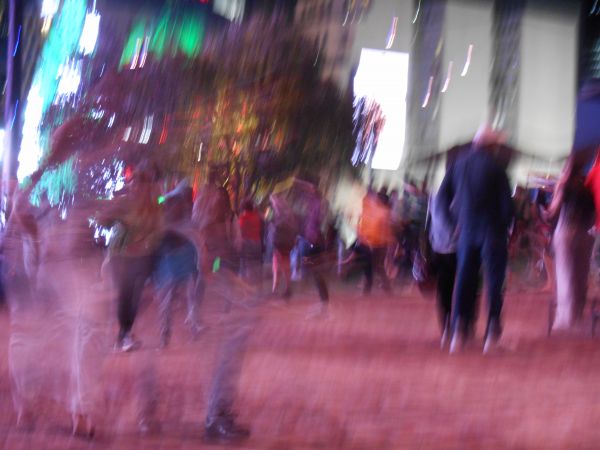
Asylum seekers we are there but no one can see us -
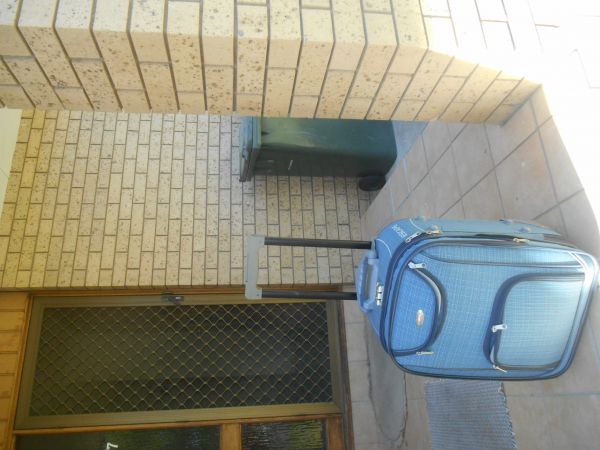
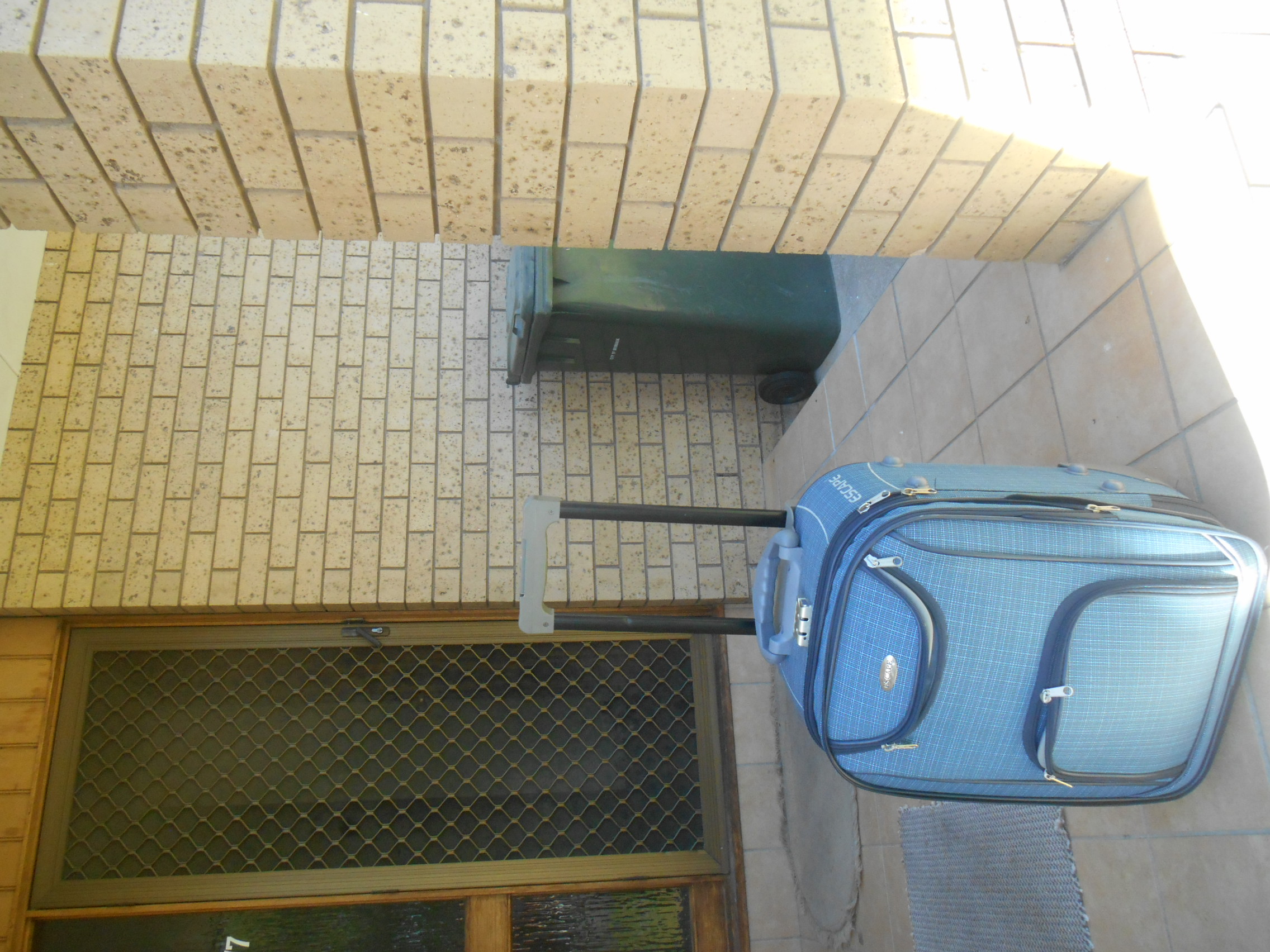
No job means you never know when you need to vacate your house because you can’t afford rent. -
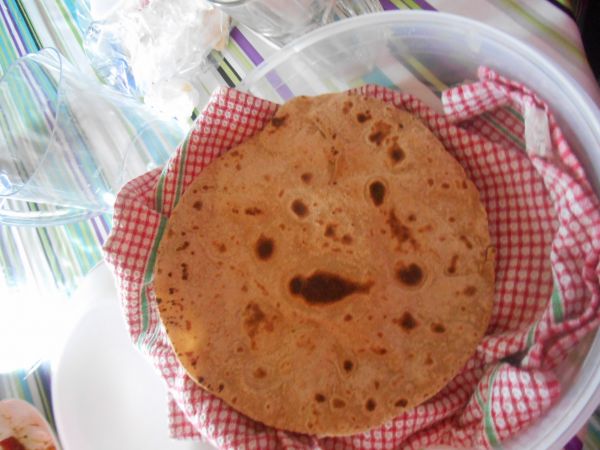
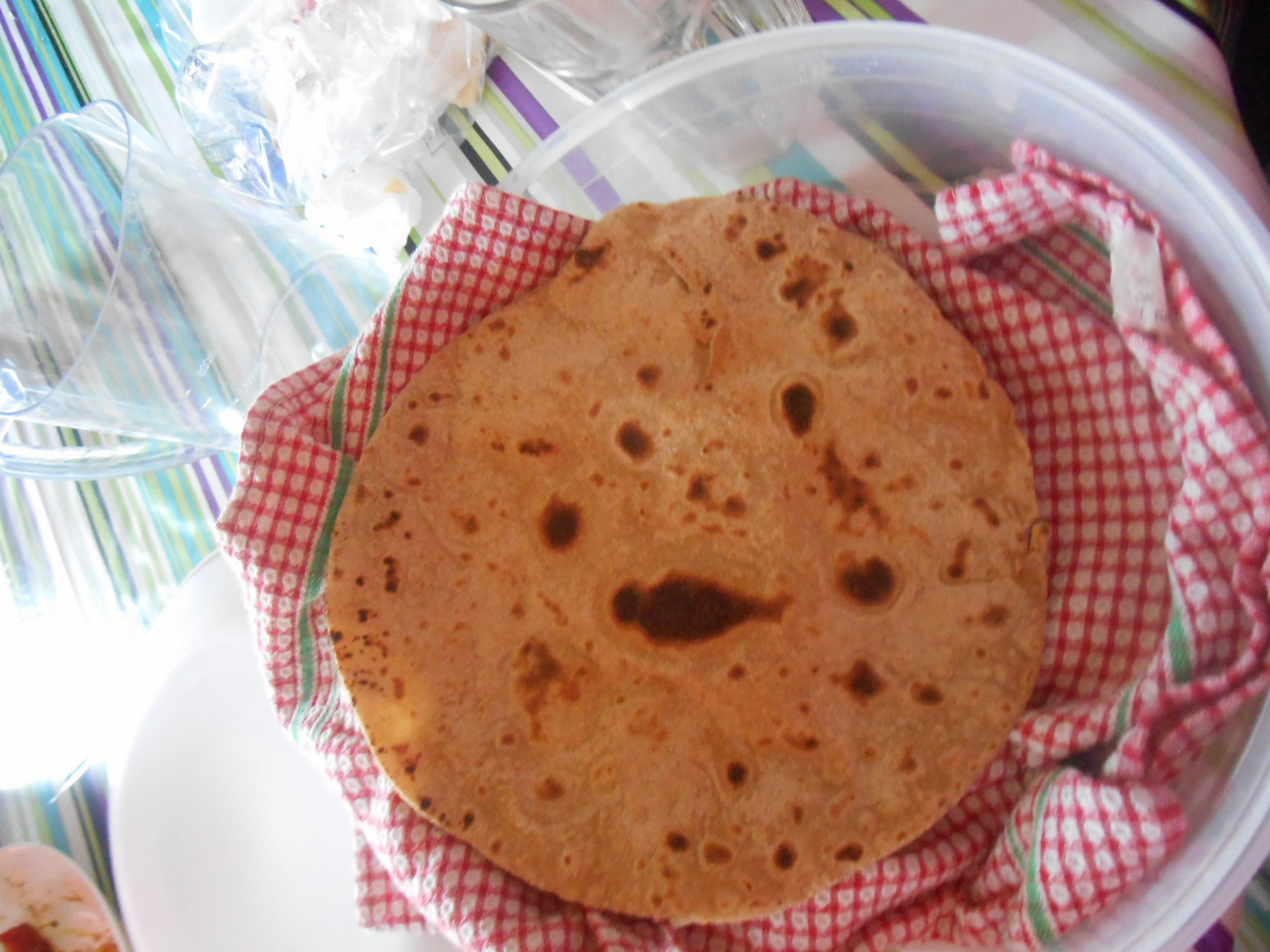
I make fresh roti for my children everyday, I spend 90% of my day in the kitchen. -
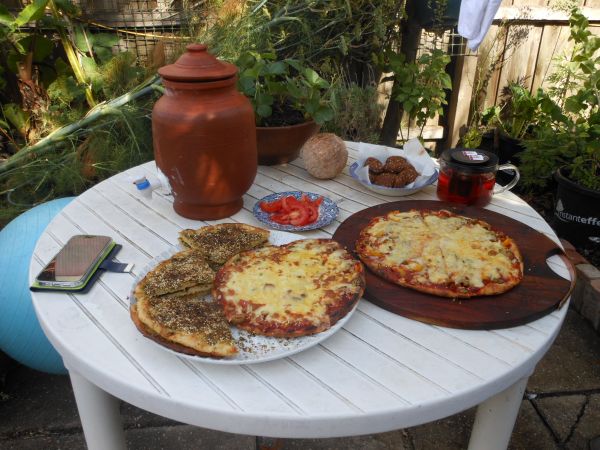
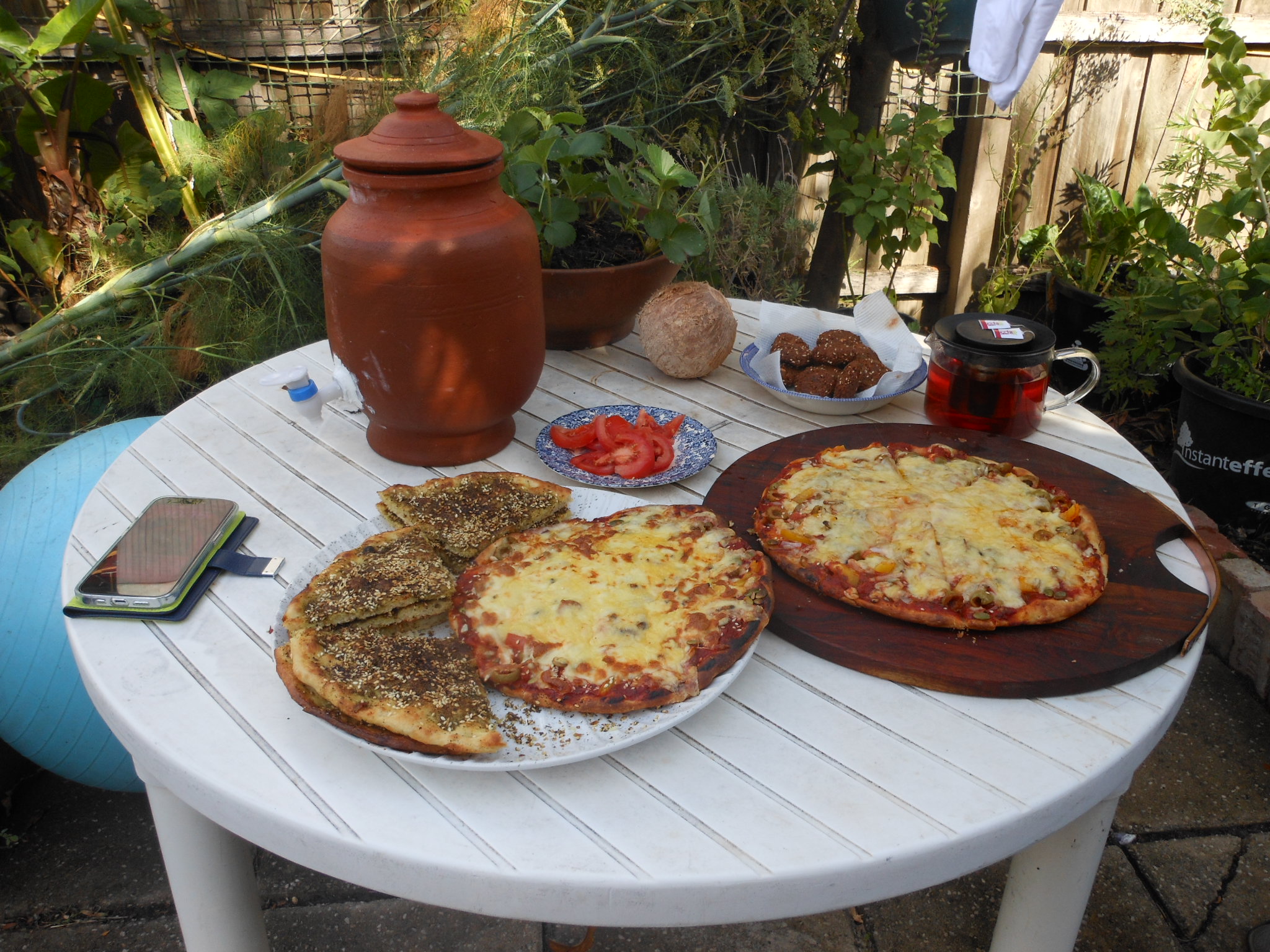
Sunday is a holiday for me. I invite my friends, cook and we have breakfast together. I dream to open a food truck where everyone gets to try Palestinian food. -
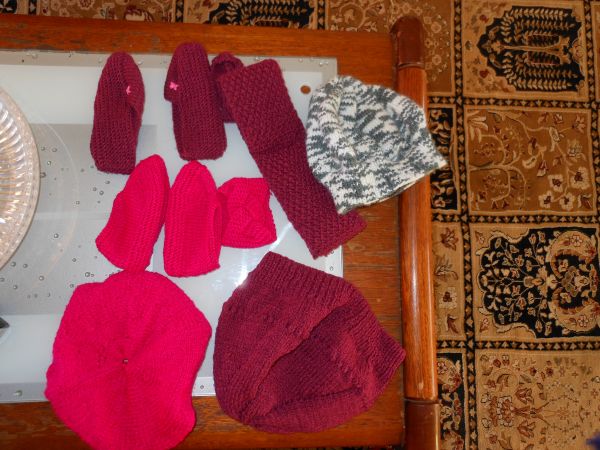
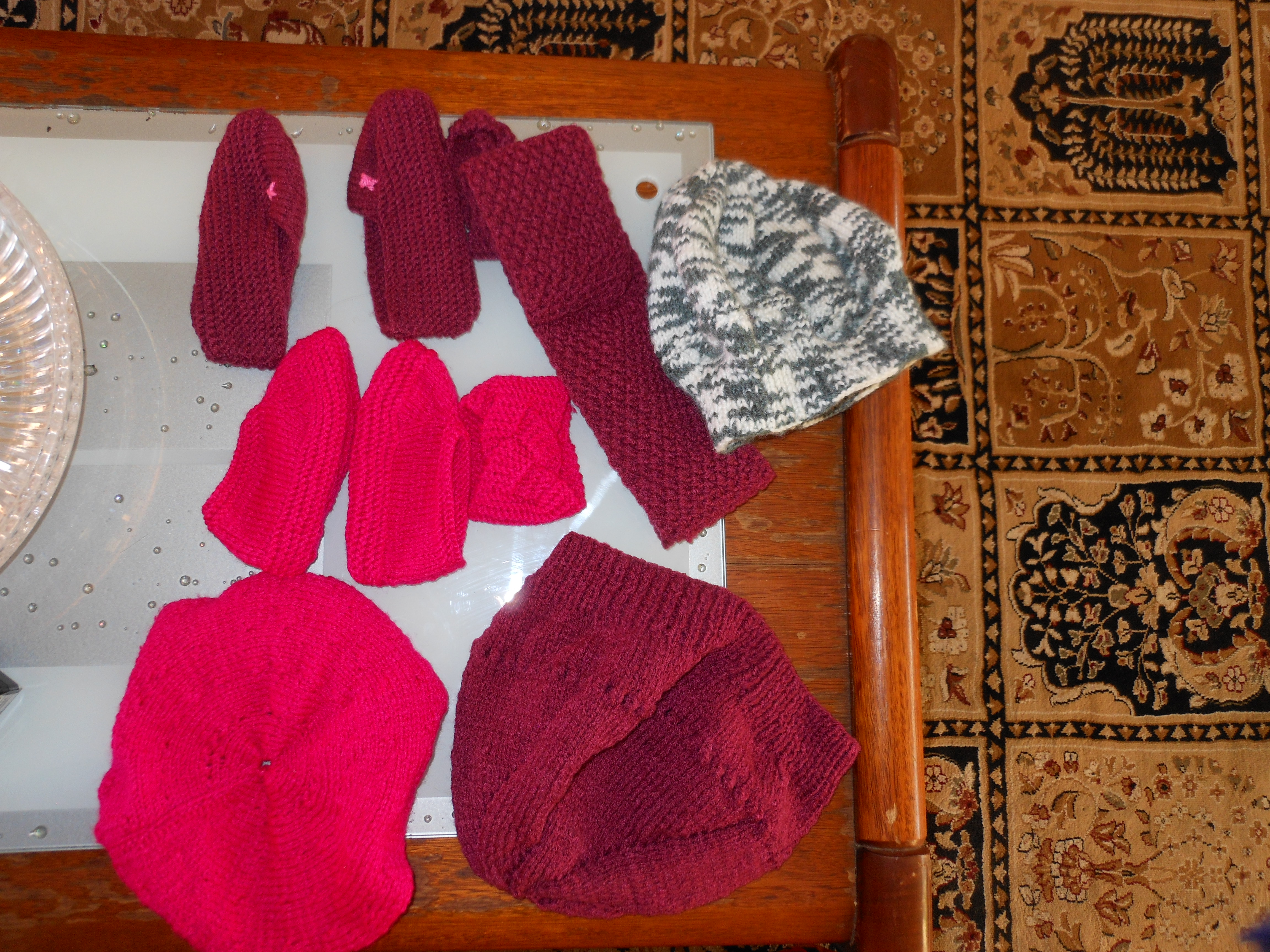
I love knitting. Do you need a beanie for winter -
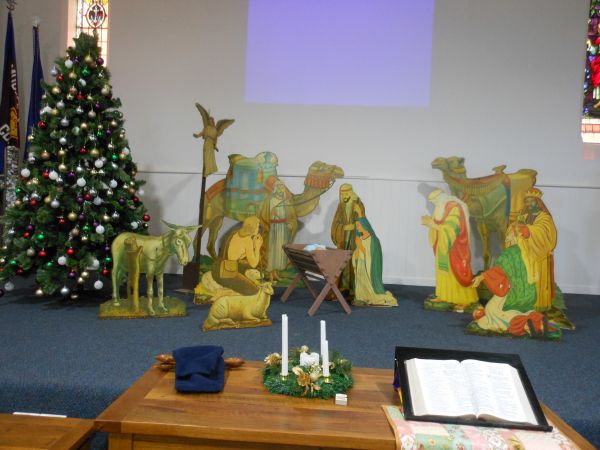
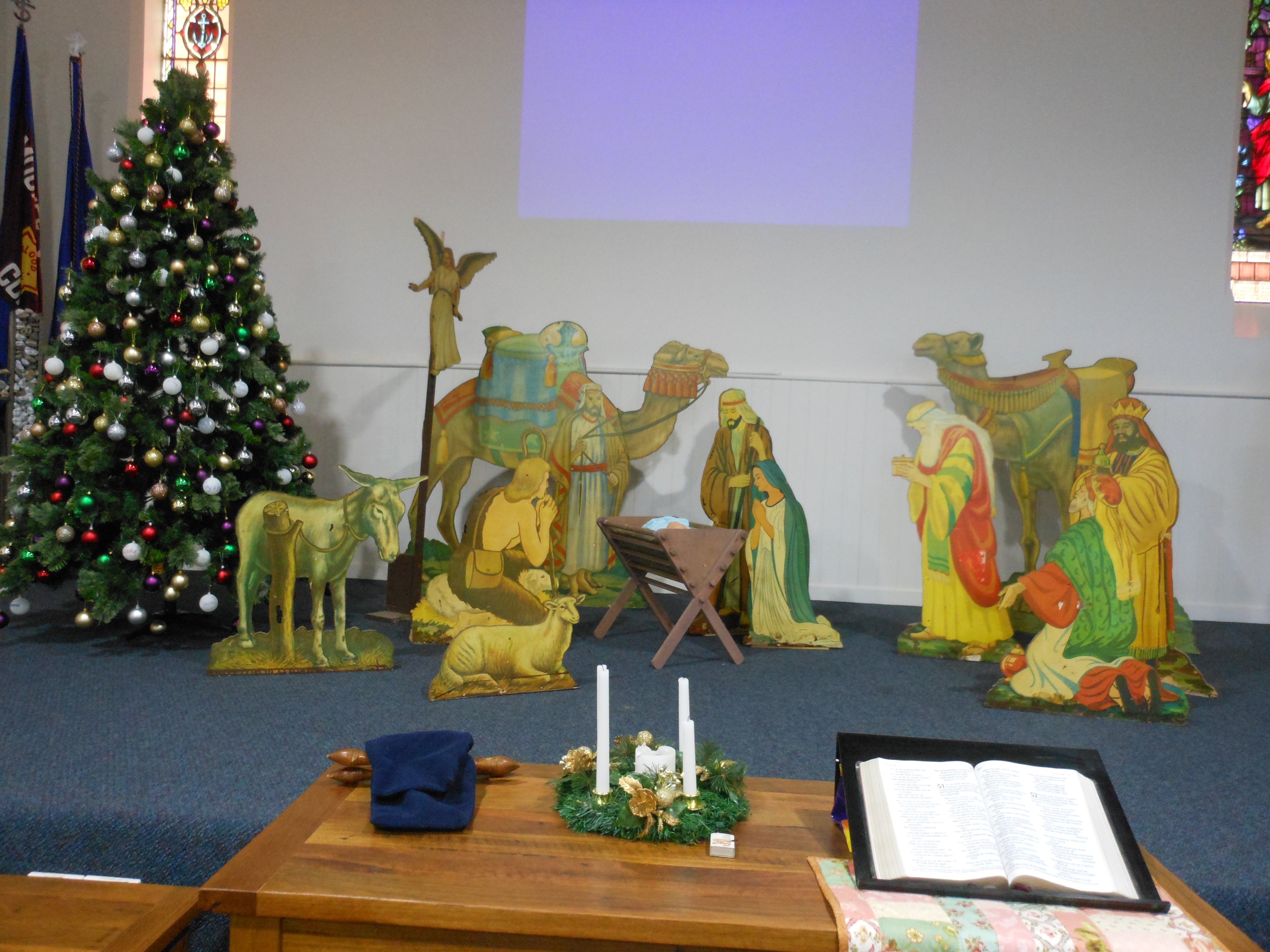
I used to be Muslim but I am a Christian now. I converted after Jesus saved my daughter when she was very sick. This Christmas we went to church together and we were so happy.
Mahima Kalla, Teresa O’Brien, et al
(Kate Robins-Browne, Victoria Palmer, Peter Poon, Catriona Parker, Michael Franco, Chris Bain, Xiao Chen, Andy Li, Sam Georgy, Jade Hudson, Olivia Metcalf, Kit Huckvale, Rashina Hoda)
Understanding experiences of telehealth in palliative care: an exploration using photo interviewing
We conducted a study to understand palliative care patients' and healthcare professionals' (HCPs) experiences of telehealth delivery in Victoria to determine users’ preferences for new telehealth enhancement features. We achieved this using a photo interviewing method by asking participants to generate three to five photographs depicting their telehealth experiences. These photographs were used as visual aids to prompt discussion during subsequent one-on-one interviews, followed by an intertextual to identify key themes. We identified three overarching themes: Comfort (or lack thereof) afforded by telehealth, connection considerations in telehealth, and care quality impacts of telehealth.
This research is supported by the Digital Health Cooperative Research Centre Limited (DHCRC), Monash University, Healthdirect Australia, Monash Health, University of Melbourne, and Victorian Department of Health. DHCRC is funded under the Commonwealth Government Cooperative Research Centres (CRC) Program.
Click on each image to read the caption
-
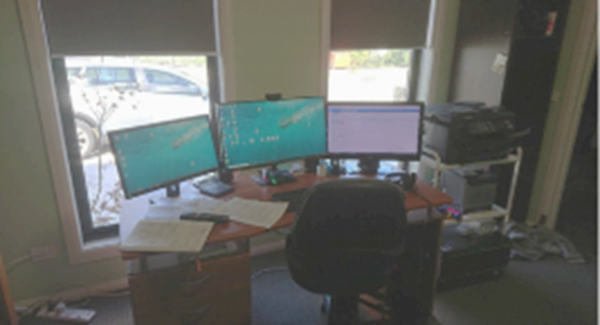
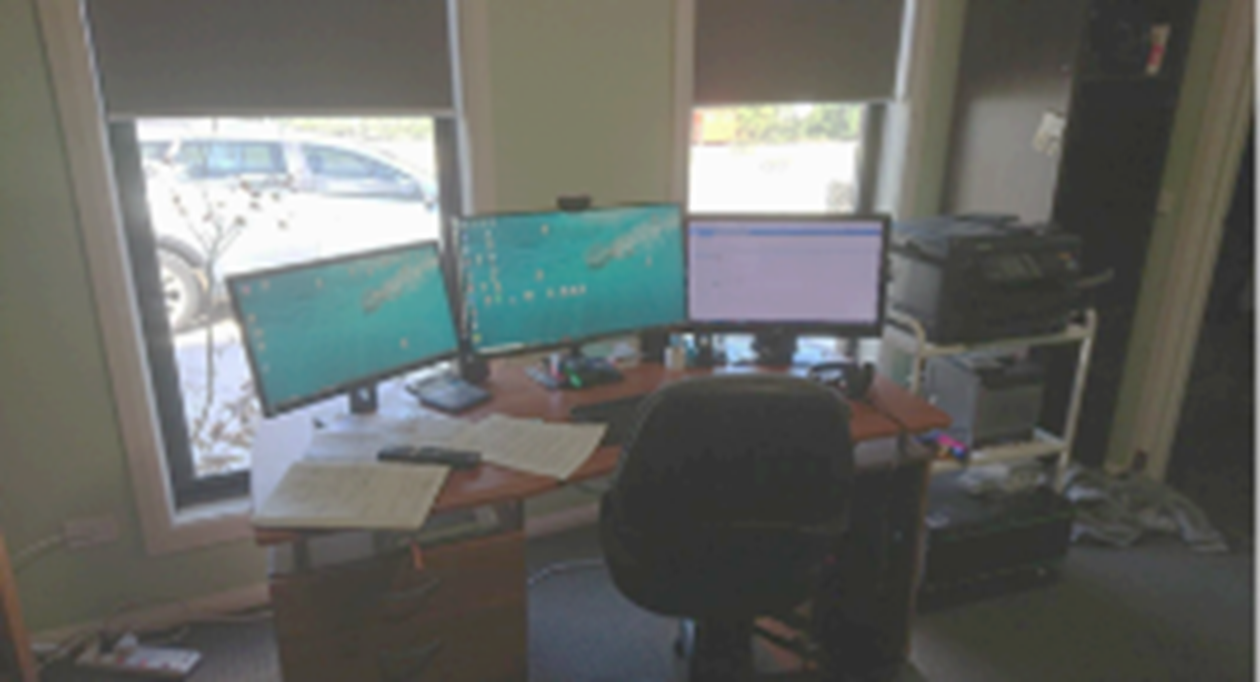
Theme: Physical Comfort. Patient home office for telehealth consultations. “...You can actually see how close my bed; my chair is to my office desk. And so, I just use the walking frame, I get to the chair very easily. I sit in my chair, I’m listening to a bit of music, or I’m just watching TV…I’ll sit in the wait in the chair, waiting for the doctor to come in.” [Patient – name hidden for privacy] -
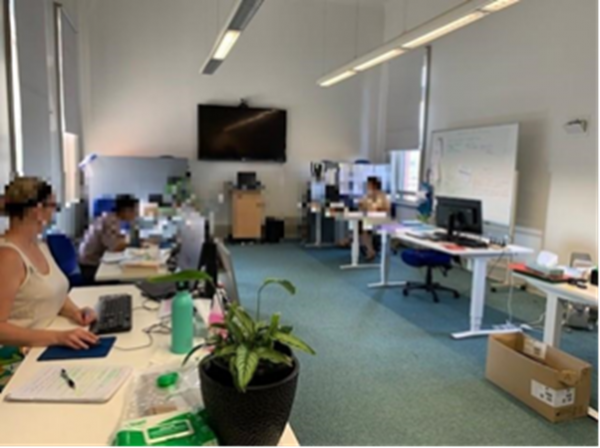
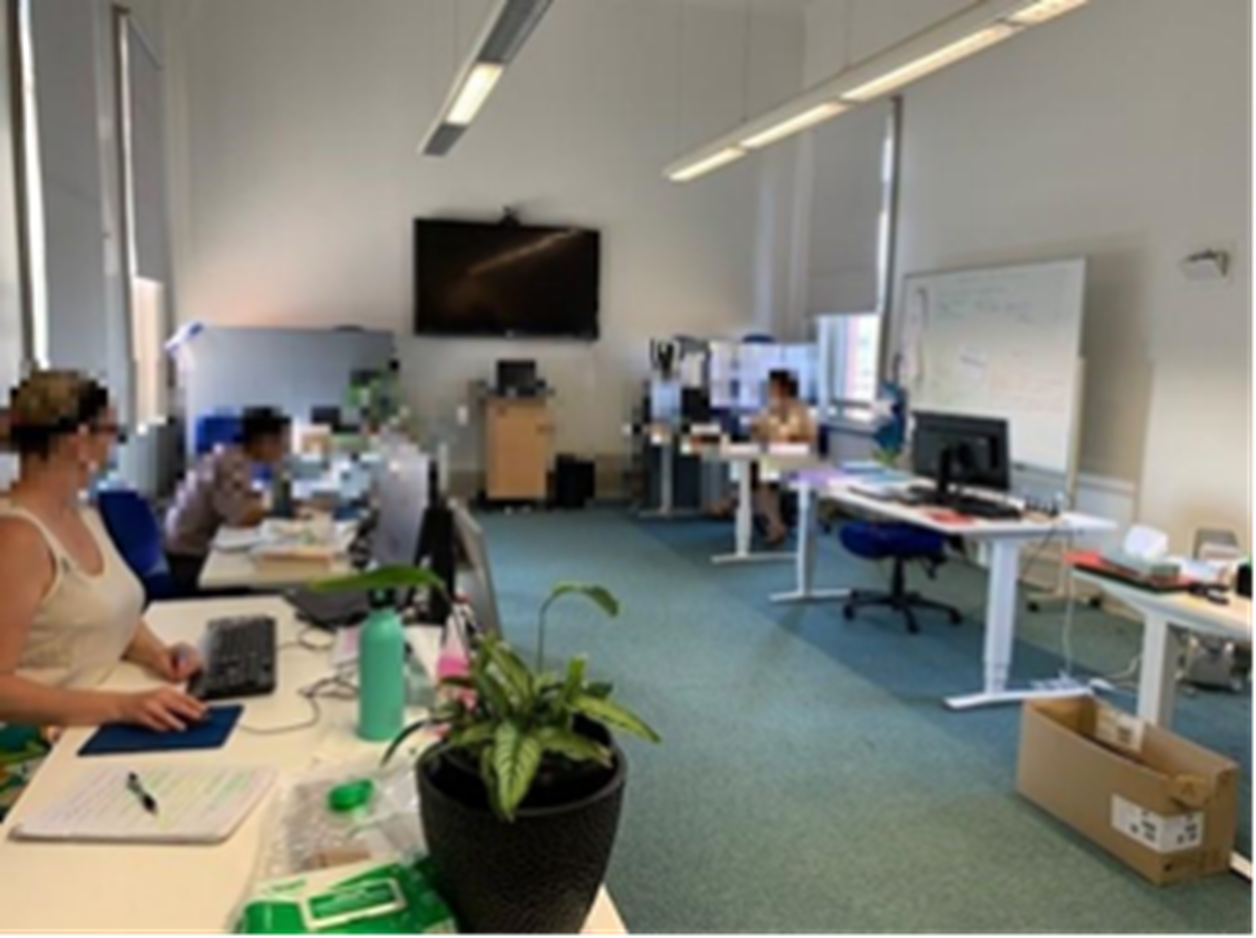
Theme: Physical Comfort. Palliative care service shared office space. “It gets very loud because we’re [all] talking… So then anybody else talking on the phone, someone else has to talk up to talk over the top of that, and then anybody having a conversation with each other in the office has to talk up.” [Clinician – name hidden for privacy] -
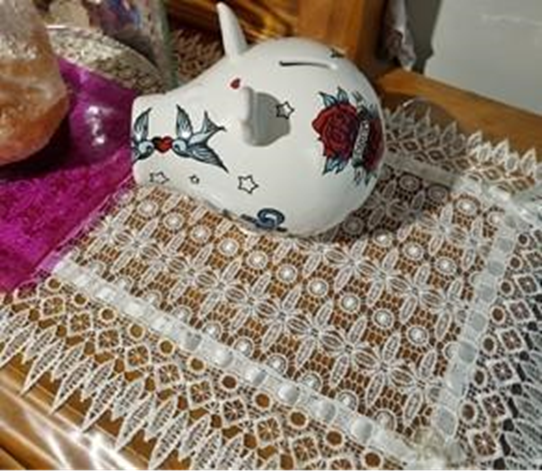
Theme: Psychological Comfort. Piggy bank. “…going to appointments, car wear and tear, fuel for my daughter, parking fees, petrol, and telehealth [I] don’t have to spend that money… [the money saved could be spent on] all the bits and bobs that they keep chucking at me to take.” [Patient – name hidden for privacy] -
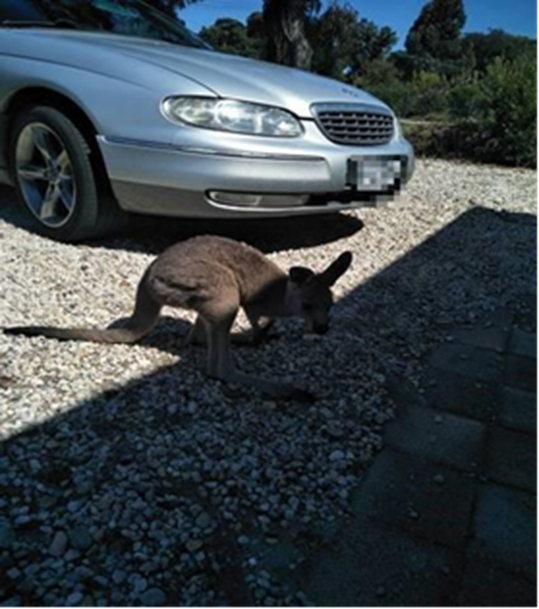
Theme: Psychological Comfort. Life in the bush. “My bush family are my reason for living out here … This is my family. Because of telehealth, I get to stay home and enjoy them. You know, I don't lose a day or two being on the road away from them. I know it's only animals but for some Photograph of a life in the bush capturing how telehealth allowed the patient to enjoy living in a preferred environment instead of losing a day or two being on the road. people, you know, animals are our family.” [Patient – name hidden for privacy] -
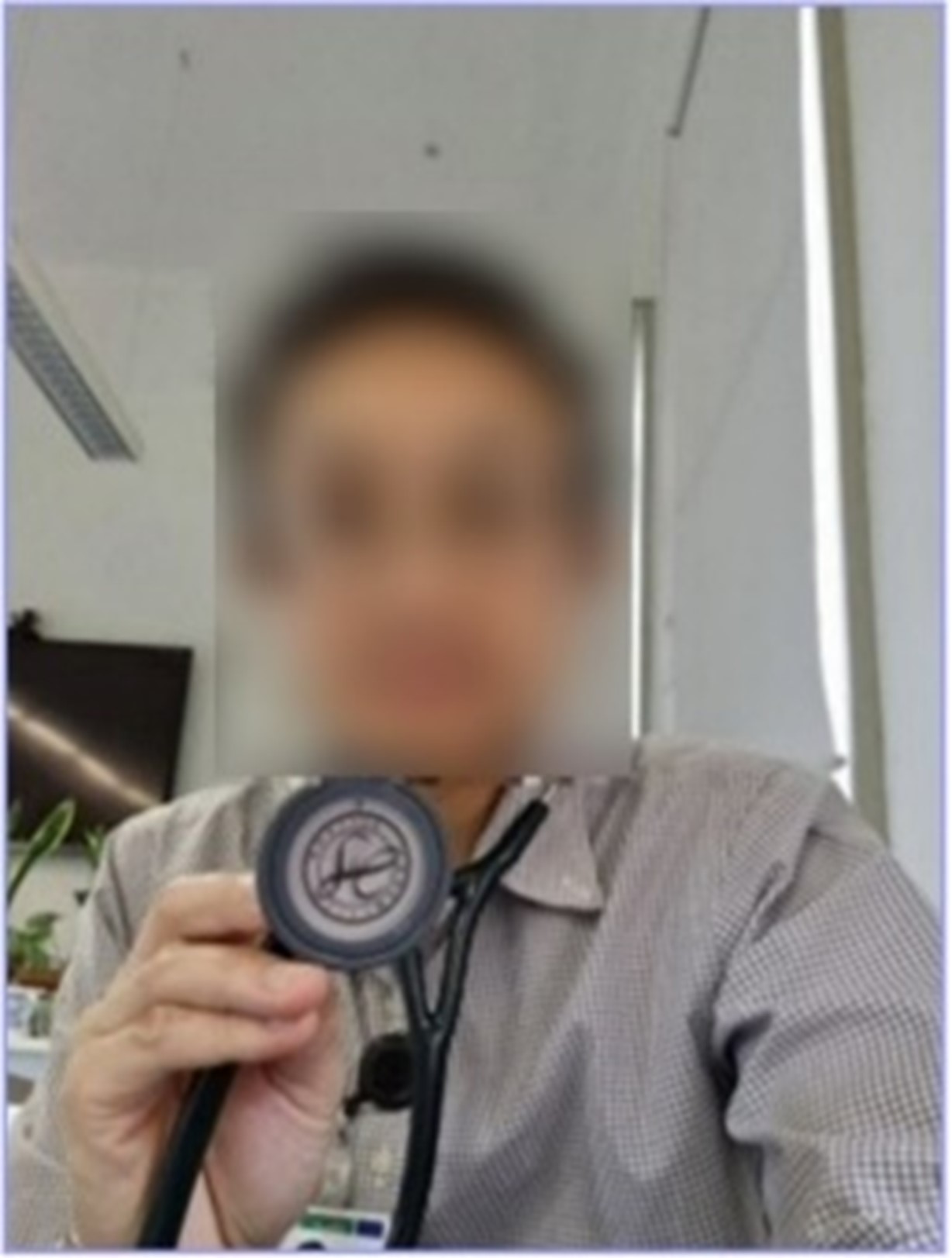
Theme: Psychological Comfort. HCP uncomfortable about limitations of telehealth. “…often to be thorough in your assessment, as a doctor, you’ve been trained [to] do your history, examination and do investigations. I guess telehealth takes away … what we’re trained to do.” [Clinician – name hidden for privacy] -
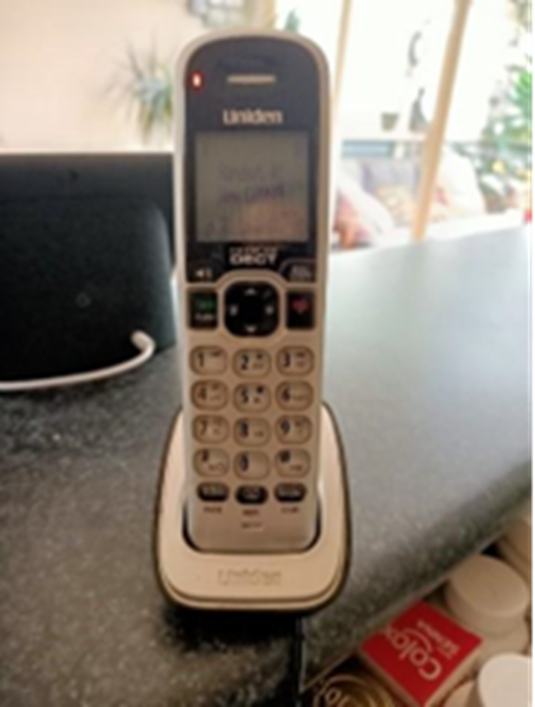
Theme: Technological connection Landline home phone. “It is the most reliable tool in my house. It never drops out. Whereas the Internet … the internet on my computer can be slow or drop out or whatever at a telehealth appointment. And my mobile phone drops out, it's unreliable as well. But this phone is not unreliable. So if I lose a connection with any of the doctors, I know I can ring them on that phone … and it's not going to drop out. That's really important … So the landline is a good back up source for me for telehealth. I always have it sitting there in case something happens.” [Patient – name hidden for privacy] -
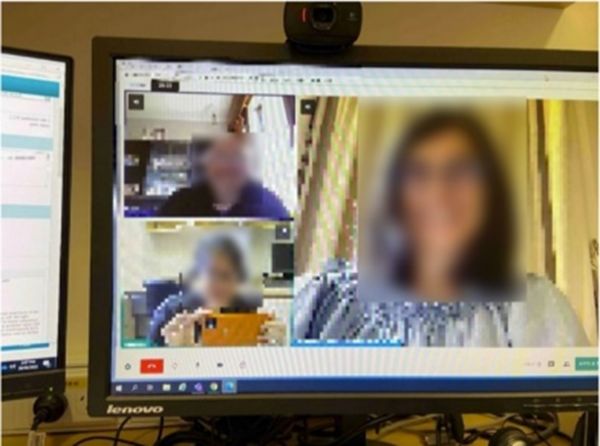
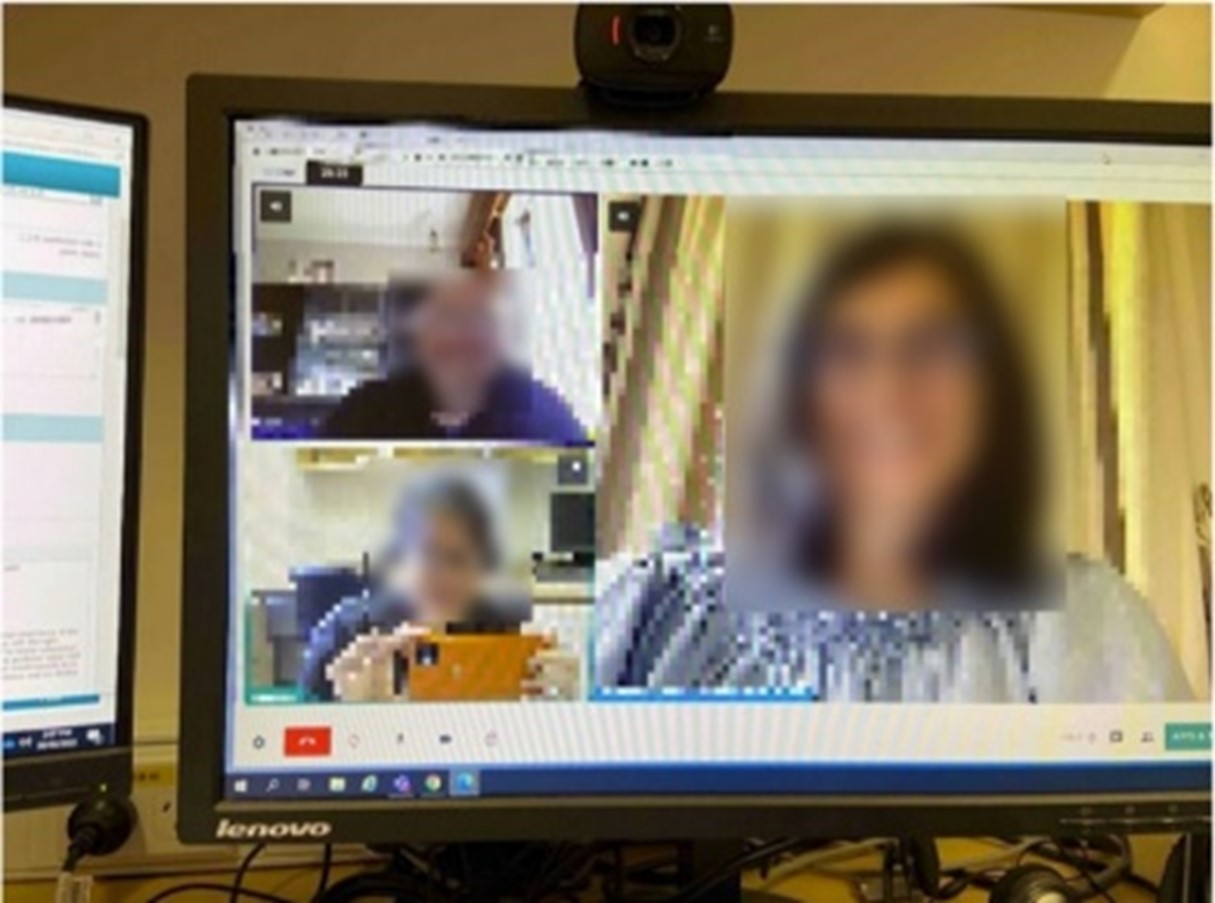
Theme: Technological connection Positive experience of telehealth. “… essentially showing how we can make it work when everyone is capable of using telehealth. On the right … that's actually the patient's son … But it just shows how it can work. So … having patient caregiver in telehealth, it is all very possible. The video worked well the audio worked well. Having you know, there was no barrier there.” [Clinician – name hidden for privacy] -
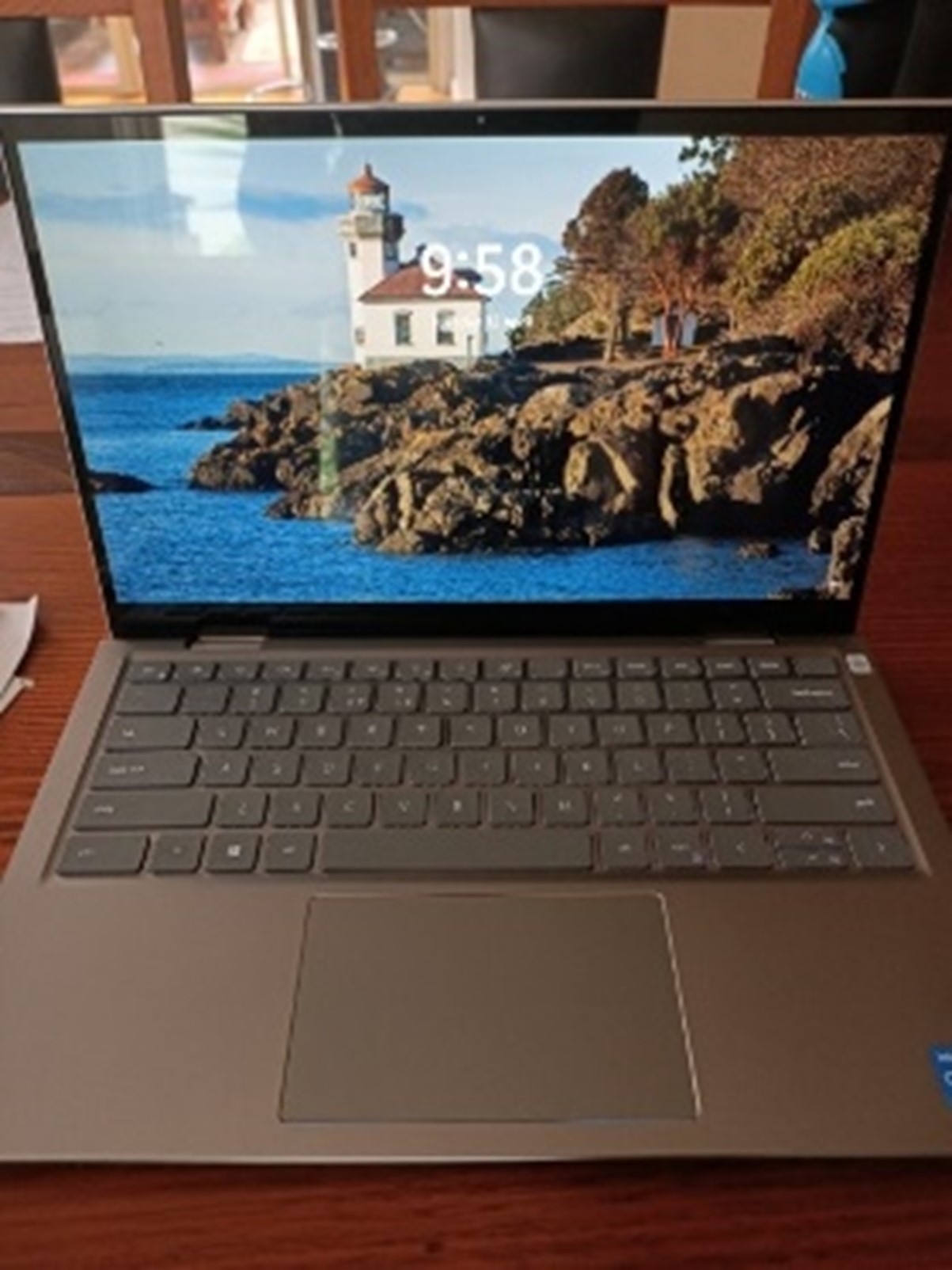
Theme: Interpersonal connection Patient’s laptop used for video consultations make them feel more relaxed. “I’ve noticed for me that I open up and talk more ... But when I’m in his rooms I’m intimidated when I’m in person with him, face to face. I'm more conscious of myself and self-conscious. Whereas over the computer I'm not. I'm really confident and I just pour everything out.” [Patient – name hidden for privacy] -
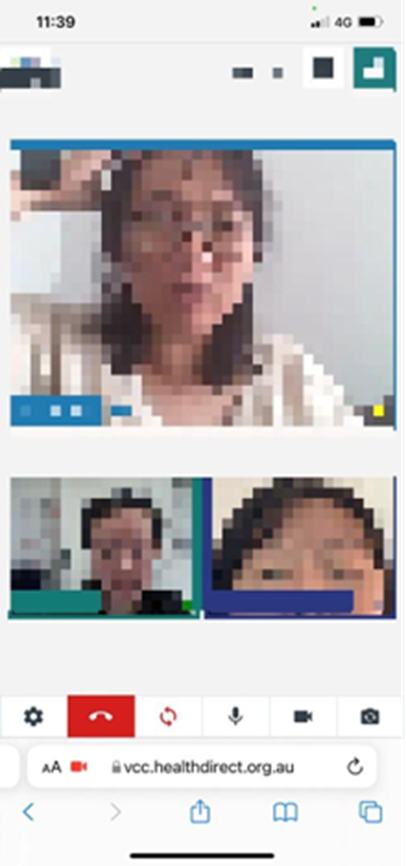
Theme: Interpersonal connection Video consultation conducted on mobile phone. “The pictures are very small. So it just does not give you a realistic feeling of seeing a patient.” [Clinician – name hidden for privacy] -
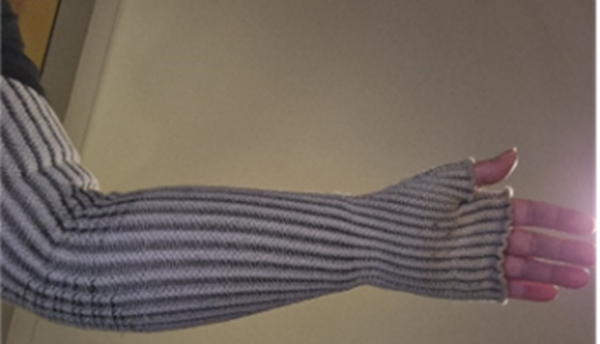
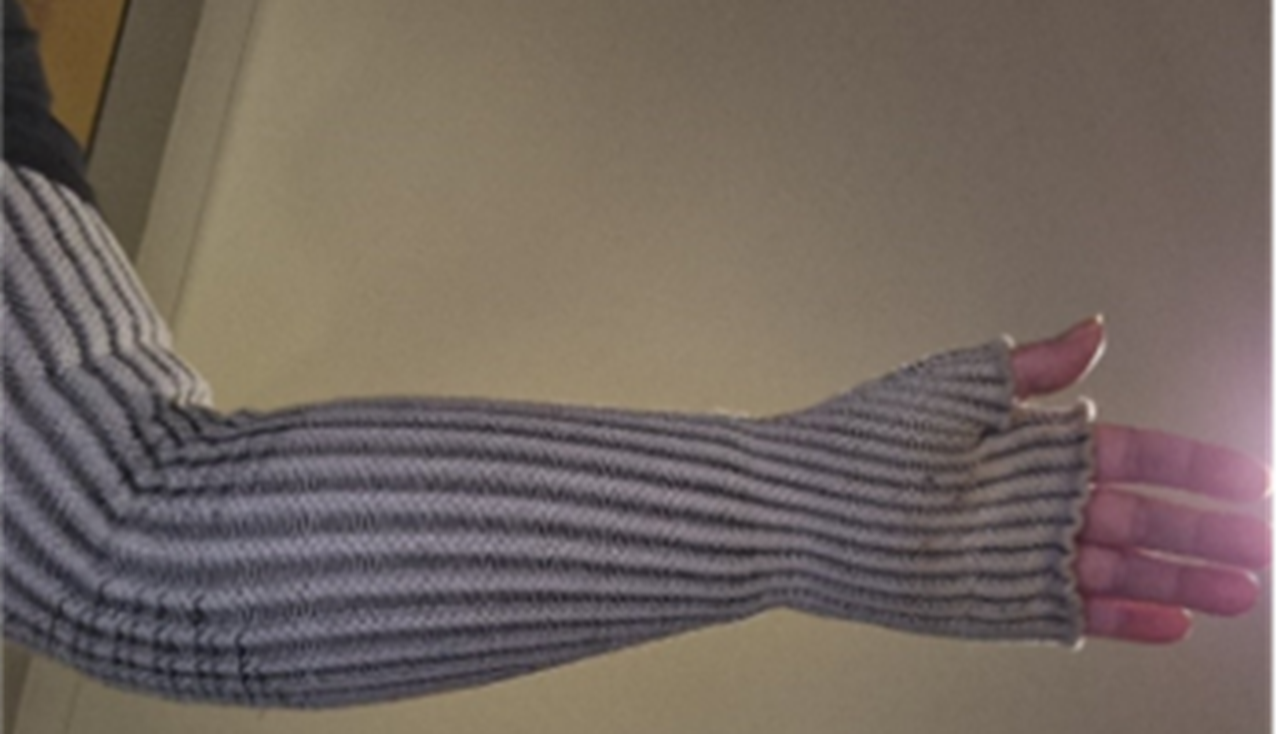
Theme: Care quality Lymphoedema sleeve. “I was seeing her [HCP] pretty much monthly on telehealth. As my arm would flare up, there was still not much she could do because we weren’t allowed in … she finally got face to face with me, measured me up for the sleeve, so that was six months without proper diagnosis.” [Patient – name hidden for privacy] -
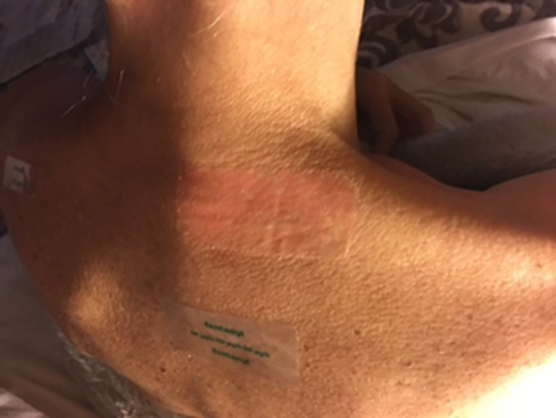
Theme: Care quality Patient finding it difficult to show the HCP her redness concern. “I was trying to explain to the doctor what the problem was…he actually couldn’t see me; what I was trying to explain he couldn’t see…And we didn’t really get to the bottom of what it was.” [Patient – name hidden for privacy] -
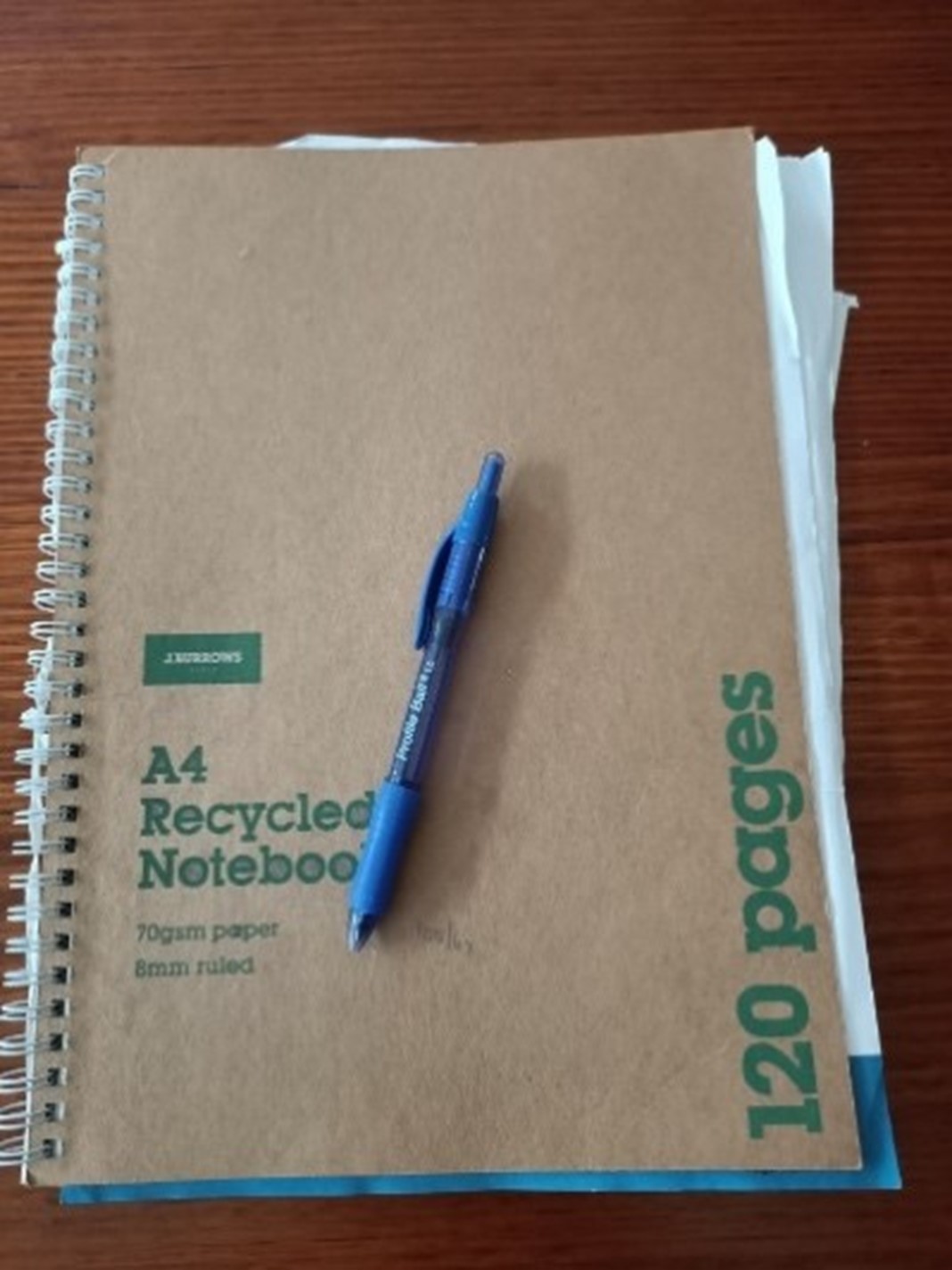
Theme: Care quality Patient feels more in control of their ability to take notes prior and during telehealth consultations. “Notebook [is] very important – notes I have taken leading up to my appointment and note down anything that is discussed … I have a notebook. And leading up to all my appointments I have, I make notes. And then when my appointment comes up, I cross stuff off … that's really important. For me, it's my notes. That way, I know I'm not going to forget anything. And whatever they say to me that's relevant or important, something I had to do or whatever. I'll write it down … I probably wouldn't do that at the doctor’s … But online I can just do it on the side while I'm talking to them.” [Patient – name hidden for privacy]